Listado de la etiqueta: Precision Medicine

Pharmacogenetics: medicines according to your genetics

Pharmacogenetics: medicines according to your genetic

Precision medicine and lifestyle: an integrative approach

Pharmacogenetics: medicines according to your genetics is an innovative approach that puts personalised health within reach of every individual. In precision and lifestyle medicine, the aim is not to exclude medicines, but to integrate them into a holistic approach that, through healthy habits, allows in many cases to reduce their use or even make them unnecessary. Through nutrition, physical activity, stress management and rest, among others, many patients can achieve optimal health without relying solely on drugs. However, when the use of drugs is necessary, pharmacogenetics can personalise their doses and avoid side effects by tailoring them to the genetics of each patient.

How does pharmacogenetic influence treatments?

Pharmacogenetic studies how genetic variations affect an individual’s response to medicines. Although we all share more than 99.9% of our DNA, these small variations can determine whether a drug is effective, whether its dosage needs to be adjusted or whether it may produce adverse effects. Pharmacogenetics: medicines according to your genetics becomes a key concept in understanding how medical treatments can be adjusted to maximise their benefits for each individual patient.

pharmacogenetic

Pharmacogenetic

Metaboliser types: a key to pharmacogenetic

One of the greatest advantages of pharmacogenetic is that it allows us to know what type of metaboliser we are. This classification helps us to understand why some people respond well to certain drugs, while others experience side effects or do not get the relief they expect. The types of metabolisers, according to pharmacogenetic, are:

  1. Poor metabolisers: they process medicines slowly, which can lead to accumulation in the body and increase the risk of toxicity.
  2. Intermediate metabolisers: have slightly slower enzyme activity, which may require adjustment of the drug dose.
  3. Normal metabolisers: process drugs at an average rate and usually obtain the appropriate therapeutic effect without adjustment.
  4. Ultra-rapid metabolisers: these eliminate medicines too quickly, which can reduce their effectiveness and, in some cases, require an increase in dosage.

Example of a pharmacogenetic test

Pharmacogenetic: medicines according to your genetic allows doctors to adjust medication and doses precisely according to the type of metaboliser, minimising risks and maximising benefits.

Pharmacogenetic

One-size-fits-all medicines: the challenge of the same dose for everyone

Traditionally, medicines have been prescribed on a ‘one-size-fits-all’ model. This standard approach ignores genetic differences in individuals, which carries two major risks:

  1. Overdosage: In slow metabolisers, the drug may accumulate, increasing the risk of serious side effects.
  2. Lack of therapeutic effect: in rapid metabolisers, the drug may not reach the required concentration in the body, reducing its efficacy.

With pharmacogenetics: medicines according to your genetics, it is possible to personalise treatments to avoid these problems and adjust medicines according to each patient’s unique biology.

Genes influencing pharmacogenetic

The response to certain drugs is influenced by specific genes that affect their metabolisation. Some of the most important genes in pharmacogenetics include:

  • CYP2D6 y CYP2C19: affect the response to antidepressants, antipsychotics and analgesics. Thanks to pharmacogenetic, the dosage can be adjusted by choosing an alternative drug.
  • SLCO1B1: determines the transport of statins, used to lower cholesterol. Some people with variants in this gene are at increased risk of muscle side effects.

Pharmacogenetic: medicines according to your genetic optimises the selection of medicines and avoids adverse reactions thanks to the knowledge of the patient’s genetic profile.

Personalised medication: tailoring treatment to your genetics

In contrast to the ‘one-size-fits-all’ model, pharmacogenetic proposes a personalised medication approach that improves the safety and efficacy of treatments:

  1. Increased safety: side effects are minimised by tailoring medication to the genetics of each patient, avoiding hospitalisations.
  2. Optimised efficacy: medicines are adapted to the individual’s metabolism, improving their results.
  3. Reduced testing and errors: pharmacogenetic saves time and resources by selecting the most appropriate treatments from the outset.

Conclusion: towards truly personalised medicine

Pharmacogenetic: medicines according to your genetic represents a fundamental advance in personalised medicine. This approach allows treatments to be tailored to individual needs, reducing risks and improving outcomes. With the integration of pharmacogenetic, medicine is moving towards tailor-made solutions, adapted to the genetic profile and lifestyle of each patient.

Would you like to know how pharmacogenetic can optimise your treatment? At Bhital.com, we are here to help you discover the benefits of precision medicine and healthy lifestyle. Book your appointment or send us a WhatsAppal 669 979 939 and transform your health with a tailored approach.

The importance of supporting good liver detoxification to prevent diseases

Introduction to Genomic Medicine

At Bhital.com, we are dedicated to exploring the frontiers of modern medicine to bring you the most advanced and personalised healthcare solutions. Today, we will take a closer look at the importance of genetic tests in understanding the functioning of liver detoxification and endogenous antioxidant systems, which are essential in the fight against ageing and disease prevention.

What are genetic tests?

Genetic testing represents a revolutionary tool in the field of genomic medicine. They allow us to discover how our genes can influence the way our bodies process and eliminate toxins, crucial information for developing personalised health and wellness strategies.

Liver detoxification and its significance

The liver, our main detoxifying organ, works tirelessly to eliminate toxins that could damage our cells and tissues. This process is divided into several phases, each involving different enzymes and chemical processes, which may be more or less efficient depending on our genetic make-up.

Phases of liver detoxification:

  • Phase I: Transforms toxins into less harmful metabolites through oxidation and reduction.
  • Intermediate phase: with metabolisms that can be very toxic until they reach phase II.
  • Phase II: Conjugation of metabolites for elimination via urine or bile.

nderstanding how these phases work in your body is vital to optimising your health and preventing disease.

GENETIC TESTS TO SUPPORT GOOD LIVER DETOXIFICATION

GENETIC TESTS TO SUPPORT GOOD LIVER DETOXIFICATION

Endogenous Antioxidant Systems: our internal protectors

In addition to liver detoxification, our bodies are equipped with endogenous antioxidant systems. These systems neutralise free radicals, unstable molecules that can cause cell damage and accelerate ageing. The effectiveness of these systems also varies according to our genetics, so knowing how they work can help us strengthen our internal defences.

The relevance of genetic testing

Genetic testing allows us to better understand how our body handles toxins and free radicals. This information is invaluable for:

  • Personalise diet and supplementation: Adjust our diet and supplements according to our specific genetic needs.
  • Prevent disease: Take proactive measures against conditions related to toxin accumulation and oxidative stress.
  • Optimise well-being and delay ageing: Improve quality of life and maintain cellular youthfulness.

Conclusion: act based on your genetics

At Bhital.com, we strongly believe in the power of personalised medicine. Genetic testing is a window into your inner health, offering you the opportunity to take control of your wellbeing in an informed and proactive way.. We invite our community to explore the possibilities that these tests offer, leading the way to a healthier and longer life.

Follow us on our social networks for more information and find out how you can benefit from genomic and anti-ageing medicine. Your health is our priority, and together we can work towards a brighter, healthier future.

PRECISION MEDICINE

PRECISION MEDICINE

HAVE YOU HEARD OF PRECISION MEDICINE?

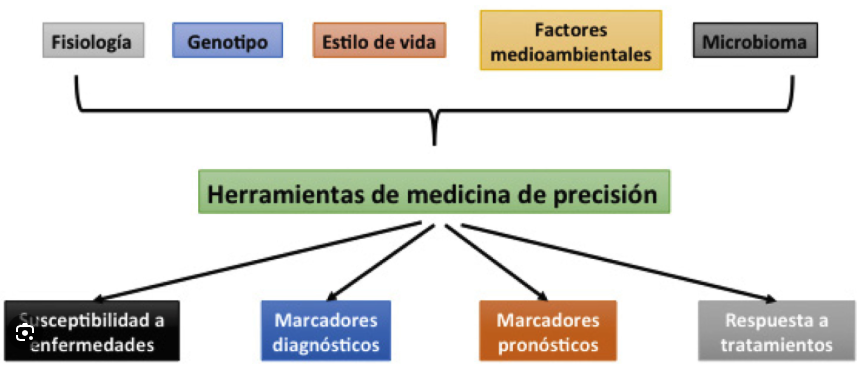
Precision medicine, an innovative field in constant evolution within biological and integrative medicine . It represents a personalized approach to health care that takes advantage of advanced study technologies.

These techniques include genetic analysis, oxidative stress studies, inflammatory profiles, specific biomarkers, microbiome …. As well as a wide variety of medical questionnairesdesigned to assess multiple aspects of the health and well-being of individuals.

Bhital, precision medicine tools

Bhital, Precision Medicine


The genetic studies are essential in precision medicine. These provide detailed information on genetic predisposition to disease and how the body responds to different treatments and environmental factors.
environmental factors
. This in-depth understanding of genetics allows physicians to design highly personalized therapeutic strategies tailored to the specific needs of each patient.

In addition, the
precision medicine
is furthering the study of oxidative stress and the inflammatory profile, two key factors that affect cellular health and predisposition to chronic diseases. By understanding these biomarkers, areas of risk can be identified. And from there, design therapeutic interventions aimed at reducing inflammation and promoting cellular health. And the most interesting thing is that you can do it before symptoms of diseases appear,

Bhital, precision medicine

Bhital, Precision Medicine


It also addresses emotional, environmental and socialaspects that influence health.

The medical questionnaires are very exhaustive, assessing exposure to chemical, electromagnetic and mold toxins. ….. Not to mention occupational stress, personal relationships and emotional health . Thisprovides a comprehensive view of the person and allows the implementation of personalized prevention and treatment strategies.

Hormone levels are also being studied. Hormonal balance plays a crucial role in the optimal functioning of the body. Hormone levels begin at younger ages than would be expected and affect a person’s energy, mood, cognition, sexual activity and metabolism.

In short, precision
precision medicine
offers a comprehensive and personalized approach to improving health and preventing disease, taking advantage of advanced technologies and considering all aspects of each individual’s health and well-being in a holistic manner.