Photo: Bhital by IA


 Photo: Bhital by IA
 Photo: Bhital by IA


 +34 669 979 939 | Email: info@bhital.com
Longevity: Why do we age? This is a key question in the field of anti-ageing medicine. Longevity is the term that describes the process of extending life and improving the quality of years lived. Understanding why we age is essential for those who seek not only to live longer, but also to enjoy a fuller life at every stage.
Throughout history, various theories have emerged to explain why we age. From free radical damage to telomere shortening, each theory shows us one aspect of ageing. However, we now know that ageing is the result of factors that affect longevity. David Sinclair, one of the world’s leading researchers in longevity, argues that, beyond the inevitable, ageing can be slowed by intervening in these factors.
Today, scientists recognise 12 factors that explain why we age and affect longevity. These factors, known as hallmarks, are grouped into three categories: Primary, Antagonistic and Integrative. Understanding them is essential to any strategy to extend longevity.

The 12 Hallmarks of Ageing
Each category groups together factors that contribute to ageing and ultimately provide an answer to why we age:

David Sinclair
David Sinclair, Professor of Genetics at Harvard, proposes strategies to intervene in the factors of ageing. Key strategies to promote longevity include:
In addition, healthy habits are essential to improve longevity. A balanced diet, regular exercise, stress management and rest are pillars that protect the body and prolong a healthy life.
Mental health is also key to longevity. Practising mindfulness, maintaining positive relationships and finding purpose contribute to healthy ageing.
Personalised medicine allows longevity strategies to be tailored to the individual. Thus, with advances in genetics and personalised health programmes, it is increasingly possible to slow down ageing.

Ultimately, as science advances, from gene therapies to artificial intelligence, more and more people will be able to live longer and better lives. Why do we age? This is a question that continues to guide science in the quest for a full and healthy life.
Want to find out more about how to prolong your life and improve your long-term health? Visit our website for detailed guides, expert advice and personalised longevity strategies. Take the first step towards a fuller, healthier life.
Schedule your consultation today or send a WhatsApp message to 669 979 939 to receive personalised attention. Your path to a better quality of life starts here!
A good night’s sleep rejuvenates:
Good sleep provides energy, improves brain function, strengthens the immune system and regulates hormones. It is essential for well-being and longevity.
Harmful effects of not getting a good night’s sleep:
Lack of sleep affects our cognitive and physical abilities. Being awake for 18-24 hours is similar to having a blood alcohol concentration of 0.05% to 0.1%, which affects decision-making ability and increases the risk of disease. Getting a good night’s sleep is key to avoiding these effects.
Prioritise restful sleep for good health:
If there’s one habit you need to take care of, it’s sleep. Follow these key habits for restful sleep:

Decalogue for a good night’s sleep:
A good night’s sleep rejuvenates. A good night’s sleep provides energy, improves brain function, strengthens the immune system and regulates hormones. It is essential for well-being and longevity.
Harmful effects of not getting a good night’s sleep:
Lack of sleep affects our cognitive and physical abilities. Being awake for 18-24 hours is similar to having a blood alcohol concentration of 0.05% to 0.1%, which affects decision-making ability and increases the risk of disease. Getting a good night’s sleep is key to avoiding these effects.
Prioritise restful sleep for good health:
If there’s one habit you need to take care of, it’s sleep. Follow these key habits in this decalogue for restful sleep:


Achieving restful sleep requires, first and foremost, a closer look at our body’s hormonal and nutrient balance. Indeed, key factors such as melatonin and growth hormone promote deep, rejuvenating rest, while nutritional aids such as 5-HTP and GABA promote relaxation and mood stability, which facilitates relaxation. In addition, balanced cortisol and thyroid hormone levels influence energy and sleep, demonstrating that stress management is closely related to sleep quality. According to Dr Thierry Hertoghe, understanding the balance between hormones and nutrients is essential to optimise rest:
Melatonin, produced in response to darkness, helps facilitate deep sleep in the early hours, while growth hormone, released during this deep sleep, supports tissue repair and muscle recovery.
This precursor of serotonin, which is essential for mood and sleep, indirectly raises melatonin levels, making it easier to fall asleep and improving sleep quality.
As an inhibitory neurotransmitter, it reduces stress and anxiety, factors that interfere with sleep. As a result, it promotes relaxation and calms brain activity, helping you to fall asleep and improve sleep quality.
A proper balance in cortisol levels and thyroid function is vital for daily energy. For example, when cortisol naturally decreases at night, it promotes restful sleep. However, elevated night-time cortisol – often due to stress – disrupts sleep patterns. Managing stress and supporting adrenal health can optimise sleep quality and energy levels.
The synthesis of hormones such as oestrogen, progesterone and testosterone, key to maintaining circadian rhythms and restful sleep, is supported by a diet rich in protein and unsaturated fats. Thus, the right nutrients support hormonal balance, promoting deep rest.
For those with specific hormonal deficiencies, this therapy can improve both rest and daily energy by regulating levels of melatonin, thyroid and adrenal hormones, which are essential for overall wellbeing. In conclusion, better sleep is possible with the right balance of hormones and nutrients, allowing you to wake up refreshed and ready for the day.
10. Daily exercise and smart naps

Getting good sleep is a gradual process that requires consistency and adjustments. Remember that every step towards better quality sleep is an investment in your health and longevity, creating a solid foundation for a full and energetic life. This Decalogue for restful sleep can help you establish solid habits that will give you the rest you need for a healthier, longer life.
Ready to get started? Try these tips and experience the benefits of restful sleep. For more information or consultation, contact us and start your journey to optimal rest today!
Pharmacogenetics: medicines according to your genetics is an innovative approach that puts personalised health within reach of every individual. In precision and lifestyle medicine, the aim is not to exclude medicines, but to integrate them into a holistic approach that, through healthy habits, allows in many cases to reduce their use or even make them unnecessary. Through nutrition, physical activity, stress management and rest, among others, many patients can achieve optimal health without relying solely on drugs. However, when the use of drugs is necessary, pharmacogenetics can personalise their doses and avoid side effects by tailoring them to the genetics of each patient.
Pharmacogenetic studies how genetic variations affect an individual’s response to medicines. Although we all share more than 99.9% of our DNA, these small variations can determine whether a drug is effective, whether its dosage needs to be adjusted or whether it may produce adverse effects. Pharmacogenetics: medicines according to your genetics becomes a key concept in understanding how medical treatments can be adjusted to maximise their benefits for each individual patient.

Pharmacogenetic
One of the greatest advantages of pharmacogenetic is that it allows us to know what type of metaboliser we are. This classification helps us to understand why some people respond well to certain drugs, while others experience side effects or do not get the relief they expect. The types of metabolisers, according to pharmacogenetic, are:

Example of a pharmacogenetic test
Pharmacogenetic: medicines according to your genetic allows doctors to adjust medication and doses precisely according to the type of metaboliser, minimising risks and maximising benefits.

Pharmacogenetic
Traditionally, medicines have been prescribed on a ‘one-size-fits-all’ model. This standard approach ignores genetic differences in individuals, which carries two major risks:
With pharmacogenetics: medicines according to your genetics, it is possible to personalise treatments to avoid these problems and adjust medicines according to each patient’s unique biology.
The response to certain drugs is influenced by specific genes that affect their metabolisation. Some of the most important genes in pharmacogenetics include:
Pharmacogenetic: medicines according to your genetic optimises the selection of medicines and avoids adverse reactions thanks to the knowledge of the patient’s genetic profile.

In contrast to the ‘one-size-fits-all’ model, pharmacogenetic proposes a personalised medication approach that improves the safety and efficacy of treatments:
Pharmacogenetic: medicines according to your genetic represents a fundamental advance in personalised medicine. This approach allows treatments to be tailored to individual needs, reducing risks and improving outcomes. With the integration of pharmacogenetic, medicine is moving towards tailor-made solutions, adapted to the genetic profile and lifestyle of each patient.
Would you like to know how pharmacogenetic can optimise your treatment? At Bhital.com, we are here to help you discover the benefits of precision medicine and healthy lifestyle. Book your appointment or send us a WhatsAppal 669 979 939 and transform your health with a tailored approach.
Dental health is fundamental to maintaining overall health and achieving greater longevity. Taking care of your teeth and gums not only improves aesthetics and emotional well-being, but also prevents serious systemic diseases such as heart disease, diabetes and chronic inflammatory conditions. Maintaining good oral hygiene is key to reducing inflammation, which is closely linked to accelerated ageing. In addition, the image we project is directly influenced by the state of our mouth. A healthy smile not only improves self-confidence, but also has a positive impact on how others perceive us, which can influence our social and professional life.

Dental health: key to overall health and longevity
To maintain overall health and prolong your longevity, it is essential to prioritise the care of your mouth. Here are some key steps to keep your dental health in top condition:
Regular dental visits are crucial to detect problems early and avoid complications. Make sure your dentist checks for important indicators, such as:
These check-ups allow you to identify potential problems before they become serious, helping to maintain the health of your gums and teeth.

Implementing a daily oral hygiene routine is essential to preserve dental health:

Dental health: key to overall health and longevity
In addition to good oral hygiene, diet plays a key role in dental health and overall health. Reducing sugar consumption is key to preventing tooth decay and gum disease. Opt for healthy alternatives such as fresh fruits, nuts, raw vegetables and fibre-rich foods. These foods not only promote better digestion, but also help keep teeth strong and healthy by stimulating saliva production, which is crucial for remineralisation of tooth enamel. In addition, staying hydrated is essential. Saliva is the body’s natural tool for neutralising acids and washing away food particles, which helps protect tooth enamel. Drinking enough water throughout the day also helps prevent dry mouth, which can increase the risk of tooth decay and periodontal disease. Thus, a proper diet is a cornerstone of dental health.
Good dental alignment not only improves aesthetics, but also facilitates better cleaning. Aligned teeth allow for more effective plaque removal, reducing the risk of caries and periodontal problems. In addition, a correct occlusion (how the upper and lower teeth fit together) prevents overloading of some teeth and muscular problems in the jaw. Correcting dental alignment, whether through orthodontics or other treatments, not only improves aesthetics, but also contributes to a longer and healthier life, as it allows for better chewing, reduces the risk of caries and periodontal disease, and prevents overloading of the facial musculature and teeth.
Biological or integrative dentistry considers the relationship between the teeth, the body and the nervous system, applying complementary therapies such as neural therapy. This technique uses procaine injections at key points, such as the teeth or nearby areas, to restore nervous system communication and alleviate problems related to dental health.

In addition, mineralograms are recommended to analyse the levels of minerals and heavy metals in the body. This analysis can be useful to identify imbalances or poisoning, which could be related to dental materials such as amalgams, and guide possible chelation treatment to remove toxic metals.
If you have mercury amalgam fillings, it is essential to consider their safe replacement, as mercury is a toxic metal that can be released in small amounts during its lifetime. To ensure safe removal, it is recommended to use the SMART Protocol (Safe Mercury Amalgam Removal Technique), developed by the International Academy of Oral Medicine and Toxicology (IAOMT). This protocol includes protective measures for both the patient and dental staff, such as the use of rubber barriers, air suction, oxygen for the patient and rinses with activated charcoal or chlorella to reduce mercury exposure during the procedure.

Bruxism or teeth grinding, usually caused by stress, can lead to severe tooth wear. Addressing this problem with dentist-recommended devices is crucial. In addition, managing stress with relaxation techniques such as meditation or yoga is key to preventing dental damage and improving overall wellbeing.
Kinesiology applied in dentistry makes it possible to evaluate how different dental materials affect the patient’s overall health. Through muscle tests, the most biocompatible materials are selected, avoiding adverse reactions. It also helps to identify the most appropriate treatment to ensure oral health and overall body balance.
Neurofocal dentistry focuses on avoiding the use of toxic materials that interfere with overall health. It recommends the use of biocompatible and natural alternatives, such as essential oils (lavender, chamomile, clove), which have proven to be effective in reducing inflammation and preventing gum infections.

Homeopathy is an integrative tool that complements dental treatments to improve recovery. Arnica montana reduces pain and inflammation after surgery, while Gelsemium and Aconitum relieve anxiety before procedures. Calendula is also used to accelerate the healing of canker sores and mouth sores.
Oral health directly affects gut health, as the digestive tract begins in the mouth. Infections or imbalances in the oral microbiota can alter the gut microbiota, affecting digestion and increasing the risk of inflammatory diseases. Maintaining proper oral hygiene is key to preserving a balanced gut microbiome and healthy digestion.

Dental health: key to overall health and longevity. The link between dental health and overall health is undeniable. Taking care of your mouth not only prevents oral diseases, but also improves quality of life and increases longevity. Healthy gums and strong teeth are essential for good digestion, reduced chronic inflammation and prevention of systemic diseases.
If you want to improve your dental health and make sure you’re taking the right steps for your overall wellbeing, don’t wait any longer. Visit your dentist and have a comprehensive analysis of your oral health. Also evaluate the safe removal of fillings with the SMART Protocol.
Contact us at Bhital.com or send a WhatsApp to 669 979 939 to start your journey to a healthier and longer life.
Introduction: As we age, many of us worry about the health of our brains. However, it is possible to regenerate your brain and prevent cognitive decline with some simple but powerful strategies. In this article, you will discover 18 science-backed ways to regenerate your brain that will help you keep your brain in tip-top condition. Regenerating your brain is possible, and here’s how to do it.

To regenerate your brain, it is crucial to get enough sleep. During sleep, the brain eliminates toxins that accumulate during the day. In addition, a good night’s sleep helps to consolidate your memory. Keep a regular sleep schedule, avoid screens before bedtime and make sure your environment is conducive to rest.
Social relationships are essential for cognitive health. Interacting with friends and family not only improves your mood, but also helps regenerate your brain by keeping it stimulated. Participate in social activities, join groups or clubs and keep in touch with your loved ones.

Learning new skills is one of the best ways to regenerate your brain. Whether it’s learning a new language or playing a musical instrument, your brain benefits by creating new neural connections. Don’t be afraid to take on new challenges.
Physical exercise improves blood flow to the brain, which facilitates the delivery of oxygen and essential nutrients. To regenerate your brain, get at least 150 minutes of moderate aerobic exercise per week and incorporate strength training.

Rejuvenate and live healthily
To regulate your circadian rhythms and improve sleep quality, be sure to expose yourself to natural light. Sunlight, especially in the morning, can help regenerate your brain by keeping your sleep-wake cycles in balance.
Omega-3s, especially DHA, are crucial for brain health. These fatty acids help regenerate your brain by strengthening neuronal membranes and reducing inflammation. Incorporate oily fish, flaxseed or omega-3 supplements into your diet.
Visualisation is a powerful tool for improving mental performance. Imagining yourself performing a task activates the same brain areas as if you were actually doing it. This regular practice can help you regenerate your brain and improve memory.
Chronic stress damages the brain, but you can counteract it with stress management techniques. Practising meditation, yoga or using adaptogenic herbs such as ashwagandha will help reduce cortisol and regenerate your brain 
Dehydration can affect cognitive function. Drinking enough water throughout the day is essential to regenerate your brain and maintain concentration and mental performance.
The gut and brain are connected through the gut-brain axis. By maintaining a healthy microbiome, you can reduce inflammation and improve brain function. Eat fermented foods, avoid sugar and make sure you have adequate levels of vitamin D to regenerate your brain from the gut.
Movements that cross the midline of the body, such as dancing or yoga, stimulate both brain hemispheres. These exercises help improve coordination and are an excellent way to regenerate your brain.

Exposure to environmental toxins can accelerate cognitive decline. Choose natural cleaning and personal care products, use water filters and air purifiers to reduce your exposure to toxins and regenerate your brain.
Intermittent fasting not only improves metabolic health, it also stimulates autophagy, a process that eliminates damaged cells and regenerates neurons. Try the 14/10 or 5:2 method to support brain regeneration.
Brain games such as chess, crossword puzzles and brain training apps are effective ways to keep your brain active. These activities stimulate the formation of new neural connections, which helps to regenerate your brain.

Deep breathing improves oxygenation of the brain, which can reduce stress and improve mental clarity. Spend a few minutes a day practising mindful breathing exercises to regenerate your brain.
It’s never too late to learn something new. Whether it’s taking a cooking course or learning to programme, engaging in activities that require new skills helps regenerate your brain by encouraging neural plasticity.
Polyphenols, found in foods such as green tea, grapes and dark chocolate, are antioxidants that protect the brain from oxidative stress. Eating these foods regularly can help regenerate your brain and prevent cognitive decline.

Among the 18 ways to regenerate your brain, a diet rich in antioxidants, healthy fats and vitamins is essential for brain health. Eating foods such as berries, oily fish, nuts and turmeric provide the nutrients you need to regenerate your brain and keep it healthy.
Implementing these 18 evidence-based ways will help you regenerate your brain and maintain optimal cognitive function. Whether it’s improving your diet, prioritising sleep or reducing stress, each of these habits can make a significant difference to your brain health. Start regenerating your brain today and you’ll see the long-term benefits.
Would you like a personalised approach to optimise your brain health and well-being?
Schedule a consultation with the Dr. Carmen RomeroIf you are an anti-ageing and longevity specialist, please send a WhatsApp to 669 979 939.
Take care of your brain and improve your quality of life today!

Blocking blue light is key to healthy ageing. Protecting yourself from this light, especially that emitted by electronic devices, is fundamental to maintaining visual health and regulating circadian rhythms, which play a crucial role in overall well-being. The right glasses, filters and lights are effective tools to reduce this impact and promote healthy and balanced ageing…
Blue light is part of the visible spectrum and is emitted by both sunlight and digital screens. While exposure to natural blue light is beneficial during the day, the problem arises with excessive use of electronic devices, which can lead to eyestrain, headaches and sleep disturbances. Blocking blue light not only protects your eyesight, but also improves your sleep, which is fundamental to any approach to anti-ageing medicine.

Another effective way to reduce exposure to blue light in the environment is by using more yellowish lights in the home. Bulbs with a warmer colour temperature (between 2700K and 3000K) emit a yellowish light that is much gentler on the eyes and less disruptive to circadian rhythms. These lights, rather than white or cool lights, are especially recommended in areas where you spend time before bedtime, such as bedrooms or living rooms. Switching to yellower lights in the home is an excellent strategy to reduce the impact of blue light and improve the quality of your sleep, making your environment more conducive to health and well-being. Opting for warm-toned lights, such as yellow lights, helps to create a softer environment for the eyes, promoting relaxation and reducing the negative impact of blue light on your sleep.

Warm light
As well as protecting us from artificial blue light, exposure to natural light is essential to keep our circadian rhythms in balance. A simple habit such as going outdoors when you wake up, letting your skin and eyes receive sunlight, can have great benefits. If you can, try to expose your skin to direct sunlight during the day. Not only will this improve your immediate well-being, but it will also promote the nightly release of melatonin, a hormone crucial for rest and longevity. Even if the day is cloudy, a few minutes in the fresh air is better than nothing.
Recent studies suggest that daytime exposure to the sun improves the release of melatonin at night. It also helps store melatonin in the mitochondria, which is essential for optimising cellular energy and combating the effects of ageing. As the 2019 research indicates, ‘While circulating melatonin may be the “hormone of darkness”, subcellular melatonin may be the “hormone of daylight” (Melatonin Research, 2019)https://melatonin-research.net/index.php/MR/article/view/19 ).
For those who spend long hours in front of the screen, blue light blocking glasses are an indispensable tool. Not only do they protect your eyes, but they can also improve concentration and reduce eyestrain. Many users report a noticeable reduction in ‘mental fog’ and an increase in productivity after wearing blockers. This is especially true for those with yellow or orange lenses, which adapt to the time of day.

At nightfall, switching to darker lenses, such as red lenses, can induce sleep more quickly and more deeply. Artificial blue light interferes with melatonin production. By blocking it, you help your body relax and prepare for a more restful sleep. The experience of many users, including Dr Ben Lynch, shows that blue light blockers can significantly improve sleep quality and general well-being.
It is important to remember that you do not need to become overly rigid with the use of blue light blockers. Enjoy your social occasions, nights out or dinners with friends without worrying if you don’t use them. The essential thing is to maintain a balance. Protect your eyes most of the time, but allow yourself to enjoy social life without compromising your well-being.
Blocking blue light through glasses or screen filters and the use of warm lights in the home is key to protecting your visual health, improving sleep quality and preventing the negative effects of premature ageing. These measures are essential in anti-ageing medicine, where the goal is to age healthily and maintain general wellbeing.
For more information on how to improve your environment and protect your health, visit our website Bhital.com.
Make an appointment for a personalised medical consultation, send us a WhatsApp to 669 979 939 or visit our website Bhital.com to find out more about how blue light affects your health and what you can do to protect yourself!
Non-ionizing electromagnetic fields (EMF), such as those emitted by mobile phones, Wi-Fi, power grids, and other everyday devices, can affect both DNA and voltage-gated ion channels (VGCCs, Nav, Kv, etc.) in cell membranes. While EMF do not have enough energy to directly damage DNA, as ionizing radiation does, they can induce indirect effects that alter cellular function, primarily through oxidative stress, changes in gene expression, and dysfunction of ion channels.
Non-ionising EMFs can generate oxidative stress, a key mechanism for indirect DNA damage. This oxidative stress increases the production of reactive oxygen species (ROS), which damage DNA bases and the sugar-phosphate chain, which can result in mutations and breaks in the DNA double helix. A common marker for this type of damage is 8-hydroxy-2-deoxyguanosine (8-OHdG). In addition, prolonged exposure to EMF can compromise DNA repair mechanisms, increasing the accumulation of genetic errors. Additionally, EMF may alter the expression of genes related to DNA repair, apoptosis (cell death) and cellular detoxification, reducing the body’s ability to repair damage and maintain genetic stability.

Voltage-gated ion channels are membrane proteins that allow ions to pass through the membrane in response to changes in electrical voltage. These channels are essential for the proper functioning of excitable cells, such as neurons and muscle cells. Exposure to non-ionizing EMF can alter the function of these channels, causing cellular dysfunction and generating various clinical symptoms.
VGCCs regulate the flow of calcium through cell membranes. Exposure to EMF can activate these channels, allowing an increased influx of intracellular calcium, which leads to several harmful effects:
Sodium channels are essential for the generation and propagation of action potentials in excitable cells. Exposure to EMF can disrupt their function, affecting neuronal excitability and leading to symptoms such as fatigue, headaches, or sensory disturbances.
Potassium channels are crucial for cellular repolarization after an action potential. Dysfunction of these channels, caused by EMF exposure, can lead to hyperexcitability or disruptions in heart rhythm, such as palpitations or arrhythmias.
Chloride channels regulate membrane potential and cell volume. Their dysfunction can affect membrane voltage stability and lead to neuromuscular and sensory symptoms.

This diagram, drawn by Dr. Richard Gautier, illustrates the possible effects of exposure to non-ionising Electromagnetic Fields (EMF). The effects of these mechanisms can manifest themselves as, among others, the following:
The diagram also details how EMFs can alter the permeability of blood-brain and blood-blood barriers, as well as affect melatonin synthesis and immunity in lymphocytes, which could explain their link to chronic and neurodegenerative diseases.

Excessive activation of voltage-dependent calcium channels causes an increase in ROS and inflammatory cytokines, leading to chronic inflammation and cell damage.
Dysfunction of sodium and calcium channels affects neuronal excitability, causing headaches, cognitive problems and sleep disturbances.
Potassium channel dysfunction alters cardiac repolarisation, leading to palpitations and arrhythmias in sensitive individuals.
Changes in ion channels can alter muscle function, causing muscle spasm, fatigue and weakness.

Dangers of EMFs: ‘The current evidence is overwhelming and indisputable’.
Interview with biophysicist Dr. Dimitris J. Panagopoulos

Years after writing ‘The Non-Paranoid Guide to EMFs’, where I argued that our current use of man-made EMFs (mobile phones, Wi-Fi, Bluetooth, mobile phone towers, etc.) is reckless, irresponsible. And one of the most likely causes of the modern epidemic of chronic disease… I still regularly argue with ‘sceptics’ who tell me:
I see one form or another of the above arguments being used by doctors of physics, medical doctors, professional sceptics, science writers and, of course, electrical engineers.
Rather than argue with them – hey, after all, I’m just a citizen journalist trying to understand all this – I decided to ask one of the most renowned scientists in the field of the biological and health effects of EMFs what he thinks.
Are man-made EMFs safe or dangerous? Are there mechanisms that can explain the harm caused by EMFs? Have I lost my mind? Was Elon Musk right?
Dr. Dimitris J. Panagopoulos, a biophysicist specialising in EMF, works at the Choremeion Research Laboratory, Faculty of Medicine, National Kapodistrian University of Athens, Greece. His experiments were among the first to show harmful effects of microwaves and other man-made EMF on DNA and reproduction. His theory of the biophysical mechanism of action of EMFs on cells, also known as the ‘ion-forced oscillation mechanism’, is considered the most plausible. It has explained why man-made polarised EMFs are much more harmful than natural, non-polarised EMFs. And why real, highly variable exposures from mobile phones and other microwave devices are much more harmful than simulated exposures with unchanging parameters.
Definitions:
Q: Given that aeroplanes are now full of Wi-Fi (radio frequency) emissions, what are the implications of this study for pilots, flight attendants or passengers?
A: The experiments described in this article showed that electromagnetic fields (EMF) from wireless communication (WC) act synergistically with ionising radiation (gamma). Similarly, previous experiments (Panagopoulos 2020) showed that they also act synergistically with caffeine. This means that combined exposure to several stressors induces significantly more biological damage than exposure to the stressors separately.
In fact, more than that: the combined exposure in both cases (with gamma radiation or caffeine) induced more aberrations than the sum of the aberrations induced by the separate exposures. Today, people are exposed daily not only to EMFs from WC, but also to a variety of other stressors such as chemicals, pharmaceuticals, psychological stress, etc.
On aeroplanes during flights, people are exposed to increased levels of ionising radiation of cosmic and solar origin. Each form of ionising radiation is significantly more genotoxic and carcinogenic than man-made EMFs. People exposed in an aircraft become even more vulnerable to ionising radiation. This is due to the use of smartphones, tablets and other devices wirelessly connected to the internet during flights.
In addition, electromagnetic radiation from WC devices is trapped and magnified inside the aircraft’s metal cage. Acting as a ‘Faraday cage’, exposing every passenger and crew member to significant levels of EMF. If authorities really protected public health, the use of WC devices should be strictly prohibited. Not only in aeroplanes, but also in all public transport vehicles (trains, buses, etc.).
I should also say that all types of EMF from the WC (from telephones mobile/wireless, Wi-Fi, etc.) are not simply radio frequency (RF) emissions. They consist of modulated RF EMF (300 kHz-300 GHz) emitted as repeated on/off pulses at various very low frequencies (ELF: 0-3000 Hz) and with intense variability in intensity, frequency and other parameters, mainly in the ultra-low frequency band (0-3 Hz). In other words, they are a combination of high and low frequency emissions (RF/ELF/ULF).

Q. The argument includes, for example, the idea that ‘little or no power is needed to interfere with life’ and that ‘low power can be more harmful than high power’. Do you agree with these statements?
A. No, I disagree.
The effects of all anthropogenic EMFs, including wireless communication (WC), are dose-dependent and, moreover, increase with increasing levels of power density (intensity) in the vast majority of cases. However, they do not always increase linearly (doubling the exposure level does not necessarily double the effect). Occasionally, so-called ‘window’ effects have been reported in the literature. That is, an effect may peak within certain values of the exposure parameters and decrease for both lower and higher values. Several scientists, including myself, have reported such effects (Panagopoulos et al. 2010).
Window’ effects are due to the fact that living tissue does not always respond linearly to an applied stressor/EMF. For example, voltage-gated ion channels (VGICs), which are the natural EMF sensors in all animal and plant cell membranes, do not respond to any change in membrane voltage. Only to voltage changes of approximately 30 to 100 millivolts (mV).
For larger voltage changes, the ionic flux through the channel becomes saturated. This is an energy-saving mechanism that acts as a natural protection for the cell. I have argued that the explanation behind the ‘window’ effects long reported in the literature is actually the existence of this corresponding window (30-100 mV) in the opening/closing of VGICs (Panagopoulos et al. 2021). And possibly also other biological ‘windows’ or resonance phenomena that have not yet been discovered or are not fully understood.
In conclusion, the existence of non-linear effects in biology is a fact, but this does not justify claims that the power level is irrelevant.
If the power level were irrelevant, that would mean that being exposed to a cellular base station antenna at a distance of 1 kilometre (km) or a few metres would make no difference. It would also mean that using the mobile phone at a distance via speakerphone or air-tube headset during calls would make no difference compared to using the mobile phone close to the head/body, which is a totally misleading and dangerous idea.
This would also justify the current absence of any caution in the use of WC devices, and the current practice of installing antennas close to homes and workplaces without maintaining a safe distance of at least several hundred metres, depending on the transmitting power.

Q: Can you explain, in simple terms, how these man-made EMF exposures (including wireless communications) impact human cells?
A: This article addresses the biophysical mechanism of action of EMFs on cells. It explains how polarised and coherent (man-made) EMFs, including wireless communications (WC), can cause dysfunction of voltage-gated ion channels (VGICs). VGICs, the natural EMF sensors in living organisms, are the most abundant class of ion channels in all animals (and plants). This shows that all living organisms are essentially electromagnetic in nature.
All processes in cells are initiated and mediated by ionic fluxes (endogenous electrical currents) through cells, tissues and ion channels in cell membranes. Irregular opening and closing (dysfunction) of VGICs, as shown in this mechanism, alters ionic concentrations in cells. This leads to triggering the (over)production of reactive oxygen species (ROS) by specific enzymes in cells that normally produce ROS for physiological purposes, such as protection against infectious microorganisms.
These enzymes are activated by alterations in the concentrations of various ions in cells, such as calcium, potassium, sodium or protons. Prolonged overproduction of ROS in cells is an irritating/inflammatory condition called oxidative stress (OS), which can easily result in various pathologies.
A relatively mild ‘pathology’ of this type is what is called electromagnetic hypersensitivity (EHS) in its early stages. Actually, in my opinion, this is not a pathology. It is a healthy reaction to unnatural exposure, which is fully polarised and coherent (man-made) EMF. If the person does not minimise the exposure in the early stages of the onset of EHS, the initial healthy reaction can turn into a severe pathology with unbearable symptoms. The continuous production of ROS due to continuous exposure is connected to DNA damage induced by certain ROS. ROS are particularly harmful, such as hydroxyl radical or peroxynitrite.
These ROS can easily damage DNA and other critical biomolecules. Irreparable damage to DNA can lead to cell death or mutations, which in turn can lead to reproductive problems, organic diseases and cancer. Therefore, the biophysical mechanism initiates a cascade of biochemical events. These events result in oxidative stress (OS) in cells and the various pathologies reported in the literature. OS was long ago reported to be induced by exposure to anthropogenic EMF, and this article explained why and how it occurs.
The same biophysical mechanism explains most, if not all, of the reported biological effects of EMFs, including ‘window’ effects. It has also explained the ability of sensitive people to perceive impending thunderstorms (Panagopoulos and Balmori 2017). As well as, the ability of certain animals to perceive impending earthquakes (Panagopoulos et al. 2020) through the action of natural EMFs associated with these phenomena.
Recently, the same mechanism has explained one of the best-known scientific problems: how migratory animals orient themselves and navigate over thousands of kilometres on Earth. Finding exact locations by detecting the strength and direction of the geomagnetic field. Unfortunately, my colleagues and I have had trouble getting this article published. Just as we had trouble publishing other papers before (papers that have now been widely accepted and cited by hundreds of other studies).
Unfortunately, conflicts of interest and corruption in science have left many of the leading scientific journals unaffected. Certain people do not want this mechanism to be widely known and established. Instead, they favour other theories that are complicated and impossible, which gets the science nowhere. In fact, the adverse biological and health effects of man-made EMFs can now be thoroughly explained and confirmed. But they do not want this fact to be widely accepted, although every true expert admits it.
They prefer to sow confusion, doubt and ignorance in the public. Many scientists also promote this confusion in various ways. Whether they know it or not, by supporting, for example, impossible theories that lead nowhere.

ELECTROHYPERSENSITIVITY TEST
A: Such erroneous statements are made because some physicists and engineers confuse living tissue with inanimate matter. Living tissue does not respond to EMFs and other stressors in the same way as inanimate matter. It is much more complicated than that. A relevant statement would be ‘non-ionising radiation cannot directly cause DNA damage’. But it can do so indirectly in living cells by causing dysfunction of VGICs. This alters ionic concentrations in cells, triggering the production of ROS, as I explained earlier.
ROS can then easily damage DNA and other critical biological molecules. As many experimental studies in which animals and cells were exposed to man-made EMFs have shown. In fact, EMFs from wireless communication (WC) from mobile phones and other devices/antennas cause oxidative stress (OS) and DNA damage within minutes. This, in turn, explains epidemiological studies that have connected exposure to man-made EMFs to cancer. [Nick’s note: For example, this 2018 review by Miller et al. shows that radiofrequency radiation should be reclassified as a definite class 1 carcinogen].
The above provides a complete explanation of the biological mechanisms. But in addition, the confidence of some people/scientists who claim that anthropogenic EMFs, at frequencies below those of infrared radiation, cannot cause ionisation, i.e. break chemical bonds. This stems from the erroneous and misleading assumption of modern quantum physics. That any EMF consists of photons, regardless of how it is generated.
According to this assumption, microwaves and other forms of anthropogenic EMF, which have lower frequencies than infrared and visible light, «do not have enough energy in their photons» to produce ionization. However, anthropogenic EMF do not consist of photons, as I have previously argued (Panagopoulos 2018).
They consist of continuous waves as described by classical electromagnetism, not by quantum physics. Continuous waves are not instantaneous emissions (photons). They can have durations that are trillions of times longer, and therefore, can possess much more energy than a photon. Even when their frequency is much lower.

Q: Could you explain why these experiments were conducted on fruit flies (Drosophila) and how applicable these results are to humans?
A: These experiments were conducted on fruit flies. This insect is one of the most studied and common laboratory animals in biology. They are small, clean, and easy to maintain in the lab. Additionally, they have a well-defined schedule of developmental processes under controlled conditions, and a lifespan of approximately one month. This allows us to observe systemic (whole-body) effects much faster than in humans or other animals, among many other advantages.
Most importantly, their cells, like those of all insects, are essentially the same as those of mammals (including humans). They have the same types of cell membranes, proteins, ion channels, intracellular organelles, nuclei, DNA, and the same ions that control all cellular processes.
Considering that all biological and health effects begin within the cells, any effect found in Drosophila is absolutely expected in mammals, including humans, and vice versa. Although their lifespan is too short to develop cancer, this animal is used in cancer research due to its genetic similarities with mammals and humans.
My experiments showed similar DNA damage in both fruit fly cells and human cells. This damage occurred after exposure to radiation from both mobile phones and other types of man-made EMF. As you mentioned, the EMF from mobile phones caused more damage than the EMF from power lines, which have long been linked to cancer.
Q: Considering that you co-authored and edited the most comprehensive book ever written on the biological and health effects of man-made EMF in 2023, do you believe things are changing now that the published literature is becoming harder to ignore?
A: Indeed, some of the pioneering scientists who first reported DNA damage and other significant biological effects in the 1990s and early 2000s, after exposing biological samples to anthropogenic EMF, were unethically attacked by «scientists» hired for that purpose. They were even accused of having falsified their data.
Nowadays, hundreds of published and peer-reviewed studies have confirmed these effects. Unfortunately, as far as I know, those who accused them did not face legal consequences, and the damage done to the scientists was never restored. The current evidence is overwhelming and indisputable, and as you mentioned, it is becoming increasingly difficult to dismiss
The recent book is a source of evidence-based knowledge for all those who want to learn the truth in this highly debated scientific field. It is also for those who wish to understand the science and protect themselves, their loved ones, and the environment. I highly recommend it to everyone.
Interview conducted by Nick Pinault.
Osteoporosis is a silent disease that affects millions of people, especially women over the age of 50. It is characterised by a decrease in bone density that increases the risk of fractures, even with minor falls. If not detected and treated early, it can severely affect quality of life and be associated with other age-related conditions such as atherosclerosis, dementia and depression.
Osteoporosis, literally ‘porous bone’, occurs when the body loses more bone tissue than it produces. This weakens bones, making them more prone to fractures. It affects 22% of women over the age of 50, and an estimated 25.5 million women in Europe are living with osteoporosis. However, the good news is that there are several ways to prevent and treat the disease. This comprehensive guide to osteoporosis will help you strengthen your bones and prevent bone deterioration.
Physical exercise is essential for maintaining bone health. Walking 30 minutes a day can help improve bone density and strengthen the muscles surrounding the bones, which reduces the risk of falls. Strength training with weights or elastic bands is another effective way to strengthen your bones. These exercises are especially useful in critical areas such as the spine, hips and wrists, as they stimulate bone formation by exercising muscles and improving balance.

Blood flow restriction training (BFR) is an innovative technique that can be very effective in improving bone density. A cuff is used to partially restrict blood flow during exercise, which generates a physiological response similar to lifting heavy weights, but with much lighter loads. This technique is ideal for people who cannot carry much weight, but want to improve both muscle strength and bone health.
Hormones play a crucial role in bone health, especially in women going through the menopause. Estrogen and testosterone levels decrease during this stage of life, which can accelerate bone loss. Bioidentical hormone therapy helps to balance these levels, maintaining bone density and reducing the risk of fractures. Both oestrogen and testosterone are essential for bone health: oestrogen prevents bone resorption, while testosterone helps maintain muscle strength and mass, which is key to bone stability.
Cortisol, a hormone released in response to stress, can negatively affect bone health when found in elevated levels over long periods of time. Cortisol inhibits bone formation and increases resorption, which means that bones lose more tissue than they can regenerate. In addition, elevated cortisol reduces calcium absorption and oestrogen levels, further complicating the situation. Practising relaxation techniques, such as meditation or deep breathing, can help keep cortisol levels under control and therefore protect your bones. Reducing stress is a key measure to prevent osteoporosis.
Good nutrition is essential for bone health. Make sure you include the following 8 essential nutrients in your diet:
Make sure your diet contains a good source of these nutrients or consider a specialised supplement if needed to strengthen your bones.

Smoking accelerates bone loss and significantly increases the risk of osteoporosis. Smoking directly affects the body’s ability to absorb calcium and other nutrients needed to maintain strong bones. Avoiding tobacco is an important decision to prevent osteoporosis.
Adequate rest is essential for tissue regeneration, including bone. During sleep, the body recovers and cell regeneration takes place, which contributes to better bone health. Getting enough quality sleep should be a priority in any strategy to strengthen your bones.
8. Fracture risk assessment and bone density testing: The use of tools such as the FRAX (Fracture Risk Assessment Tool) to assess the 10-year risk of osteoporotic fractures is common in medical guidelines. In addition, bone densitometry tests (DXA), which measure bone mineral density and allow monitoring of bone health over time, are recommended. MSKDoctors MSKDoctors .
Preventing osteoporosis is possible if you start adopting these habits today. Choose a comprehensive approach that includes exercise, proper nutrition, stress management and, in some cases, the help of bioidentical hormone therapies. The time to start caring for and strengthening your bones is now. For more information and advice on how to maintain a healthy and long life, visit my website Bhital.com. Contact me by WhatsApp at 669 979 939 or schedule your consultation directly on the website.
Keys to regaining your energy. Maintaining high energy levels and general well-being is essential for a long and healthy life. However, chronic fatigue and low energy levels are common problems that affect many people, especially with the pace of modern life. In his book Eat for Energy: How to Beat Fatigue, Supercharge Your Mitochondria, and Unlock All-Day Energy, Ari Whitten explores how nutrition, lifestyle habits, and mitochondrial care can help combat fatigue and improve cellular health.

Keys to get your energy back
Traditionally, mitochondria have been understood primarily as the powerhouses of the cell, responsible for converting food into energy in the form of ATP. However, recent research led by Dr Robert Naviaux, a mitochondria expert at the University of California, San Diego, has revealed that mitochondria play much more complex and crucial roles. According to Naviaux, mitochondria not only produce energy, but also act as environmental sensors and cellular guardians.
Mitochondria function as ‘sentinels’ within cells, constantly monitoring the environment for threats such as infection, toxins, oxidative stress, inflammation and metabolic imbalances. This surveillance role means that mitochondria can adjust cell function in response to danger signals, prioritising defence and repair over energy production when they detect threats. This defence response is known as the cell danger response (CDR).
CDR is an evolutionarily conserved mechanism that protects the integrity of the cell and the organism. When mitochondria detect a threat, they activate metabolic and biochemical responses designed to protect the cell. During this process, mitochondria may decrease energy production to redirect resources towards cellular defence and repair. Although vital for short-term survival, chronic activation of the CDR can lead to mitochondrial dysfunction and be linked to chronic diseases such as chronic fatigue syndrome, autoimmune diseases, and neurodegenerative disorders.

Mitochondria, our cellular powerhouses
The human body is exposed to a variety of stressors, both physical and emotional, that directly impact our mitochondria. These small cellular structures respond to stress by reducing energy production to focus on defence and repair. However, the capacity for stress tolerance varies from person to person. Factors such as genetics, health status and lifestyle habits play a crucial role in this capacity.
Oxidative stress, inflammation and poor diet are common triggers that mitochondria interpret as threats. When mitochondria are in a constant state of alert due to these factors, they can remain in a prolonged state of defence, which compromises energy production and leads to fatigue. Managing these stressors through a balanced diet, good quality sleep and stress reduction techniques is key to keeping the mitochondria in energy-producing mode.
Mitochondria also play a crucial role in regulating apoptosis, or programmed cell death, a process necessary to eliminate damaged, infected or dysfunctional immune cells. By releasing pro-apoptotic factors such as cytochrome c, mitochondria can initiate signalling cascades that lead to apoptosis, helping to maintain immune system homeostasis and prevent the proliferation of abnormal cells.
Maintaining a well-synchronised circadian rhythm is essential for high energy levels. This internal biological clock regulates sleep-wake cycles and is influenced by factors such as exposure to light and eating habits. To optimise your circadian rhythm:

Sunlight
Exposure to sunlight is essential not only for vitamin D production, but also for many other energy and health-related functions. Approximately 95% of the body’s melatonin is produced in the mitochondria in response to sunlight, particularly near-infrared light, which acts as a potent antioxidant protecting the mitochondria from damage.
In addition, red and infrared light stimulate ATP production in mitochondria and promote their growth and strengthening. These wavelengths also trigger the production of reactive oxygen species at controlled levels, which act as signals to strengthen mitochondria and improve their efficiency. Infrared light can also activate growth factors in tissues, aiding in muscle regeneration, thyroid health and collagen production in the skin.
Physical exercise is a powerful tool for optimising mitochondrial function and thereby increasing your energy levels. Mitochondria respond particularly well to certain types of exercise, especially high-intensity training and endurance training:
Incorporating a combination of these types of exercise into your weekly routine can provide a significant boost to mitochondrial health, helping to combat fatigue and improve your cells’ energy capacity. Remember to start gradually and adjust the intensity according to your fitness level to avoid overtraining, which can have the opposite of the desired effect.
Mitochondria, our cellular power stations
Methylene blue is another interesting tool for mitochondrial health. Known primarily as a component of drugs such as hydroxychloroquine, it also has anti-ageing and neuroprotective effects when applied topically. Methylene blue protects mitochondria and can improve brain function and energy levels.
In addition, it contains important copper enzymes, such as ceruloplasmin, which act as copper stores in the body. Copper is essential for energy production in the mitochondria, and methylene blue can enhance copper function and reduce oxidation, thus optimising cellular energy efficiency.
To maintain high and constant energy levels, it is essential:

Bioenergetic balanced diet
Conclusion
In a longevity and anti-ageing plan, it is essential to consider your mitochondrial health to optimise your energy levels. Mitochondrial care is not only about fighting fatigue, but also about improving quality of life and longevity. Adopting a holistic approach that combines exposure to sunlight, regular exercise, a bioenergetically balanced diet, and synchronisation with your circadian rhythm can help you stay energised and healthy throughout your years. By focusing on mitochondrial health, you will not only increase your daily energy, but you will also be promoting a more active and healthy life.
If you have been feeling tired and lacking energy for some time, do not hesitate to ask for a free orientation appointment on Whastapp 669 979 939, your health and quality of life will thank you for it.
By Dr. Carmen Romero
Wrinkles are a visible sign of skin ageing. However, with a comprehensive guide to caring for your skin, it is possible to prevent and treat wrinkles effectively. In this guide, you will learn about the main causes of wrinkles and discover strategies for maintaining healthy, youthful skin. This comprehensive skin care guide will help you understand and approach skin care in a comprehensive way.

Guide to skin care
In this comprehensive guide to caring for your skin, it is essential to understand the main causes that contribute to the formation of wrinkles. Wrinkles form due to a combination of internal and external factors that affect the skin’s structure and function. Understanding these factors is key to developing an effective skincare routine to help prevent and reduce the appearance of wrinkles. 
Photo: Bhital by IA
Collagen and elastin are essential proteins for skin firmness and elasticity. With age, the production of these proteins decreases, leading to a loss of structure and the appearance of wrinkles.
This compound helps to keep the skin hydrated and plump. As we age, its production decreases, leading to drier, wrinkle-prone skin.
Prolonged unprotected sun exposure damages the DNA of skin cells, degrades collagen and elastin, and accelerates skin ageing through photoageing.
Factors such as smoking, alcohol, poor diet, stress and lack of sleep contribute to premature skin ageing. Pollution also plays an important role by increasing oxidative stress.
The imbalance between free radicals and the body’s ability to neutralise them causes damage to skin cells, including key proteins, which promotes the formation of wrinkles.
This process occurs when sugars attach themselves to proteins, such as collagen, altering their function and structure, which decreases the skin’s flexibility and promotes the appearance of wrinkles.
With ageing, the skin’s ability to regenerate itself is reduced, which means that dead cells are not replaced as quickly, contributing to less luminous and more wrinkled skin.
In this comprehensive guide to caring for your skin, you will find the most effective strategies for maintaining healthy, youthful skin. Implementing a comprehensive treatment can make a big difference in preventing and reducing wrinkles.
Maintaining a balanced diet, exercising regularly, managing stress and ensuring a good sleep regime are essential practices for skin health and help reduce the negative effects of ageing.

Regular exercise
Gut health is directly related to skin health. A balanced and healthy gut improves the absorption of essential nutrients for the skin and reduces inflammation. Eating foods rich in fibre, prebiotics and probiotics, and maintaining a varied and healthy diet can significantly improve the appearance of skin and help prevent wrinkles.

Gut health
Supporting the body’s elimination of toxins through proper diet, good hydration and healthy practices can improve skin health. It is especially important to perform genetic tests that provide detailed information about how your detoxification system and endogenous antioxidant systems function. These tests allow you to customise your care strategy, revealing whether your body has a reduced ability to eliminate toxins or fight oxidative stress, which can accelerate skin ageing. With this data, it is possible to adjust your diet, supplements and other treatments specifically to optimise your skin’s health and prevent cell damage.

Genetic testing
The ‘hallmarks of ageing’ are key biological processes that explain how we age at the cellular level, affecting also the health and appearance of the skin. Comprehensive skin care must consider these mechanisms to address ageing comprehensively. For example, genomic instability and telomere shortening contribute to wrinkles and loss of elasticity, while mitochondrial dysfunction and loss of proteostasis affect cellular energy, resulting in dull, less resilient skin. Cellular senescence and stem cell depletion diminish the skin’s regenerative capacity, making treatments that support cell renewal crucial. In addition, chronic inflammation and dysregulation of nutrient sensing negatively impact the skin, so a balanced diet and stress management are essential. To support these biological processes, we recommend anti-ageing supplements specifically designed to improve cellular health and combat the effects of ageing. These supplements include ingredients such as antioxidants, coenzyme Q10, collagen and other compounds that help optimise mitochondrial function, protect DNA and reduce inflammation. Incorporating these supplements into a comprehensive care strategy can boost results and help maintain youthful, healthy skin over time. 
Hallmarks or distinguishing marks of ageing
Regular exercise improves circulation and overall skin health, while stress management through techniques such as meditation and yoga can reduce the production of cortisol, a hormone that degrades collagen. 
Stress management
Reducing toxics in your home through environmental health measures such as regulating humidity, reducing exposure to toxics from food, beverages, toiletries, cleaning products and improving air quality with air purifiers can help keep skin healthy and prevent wrinkles. 
Healthy indoor spaces
Using non-toxic sunscreen is crucial to prevent sun damage. This helps to prevent photo-ageing and reduce the formation of new wrinkles.
Products containing active ingredients such as retinoids, antioxidants (vitamins C and E), peptides and hyaluronic acid are effective in improving skin texture and stimulating collagen production.

Healthy cosmetics
Incorporating supplements containing collagen, hyaluronic acid and antioxidants can support skin health from within, providing the nutrients needed to maintain skin structure and function. 
Personalised supplements
Treatments such as lasers, chemical peels, microneedling and dermal fillers are effective in stimulating collagen production and improving skin firmness and texture. 
Aesthetic medicine techniques
This therapy uses hormones identical to those produced by the body that can also help improve skin elasticity and density, especially useful in post-menopausal women.
Peptides and growth factors help stimulate collagen and elastin production, improving skin firmness and reducing wrinkles.
Stem cell and exosome therapies are innovative approaches that aim to regenerate ageing skin, promoting cell repair and reducing the appearance of wrinkles.
As we have seen in this comprehensive guide to caring for your skin, there are multiple strategies that can help you keep your skin looking young and healthy. Although wrinkles are an inevitable part of ageing, it is possible to delay their appearance and minimise their impact through comprehensive treatment that combines protection, care and targeted therapies. By understanding the causes and taking a proactive approach, you can keep your skin looking younger and healthier over time. The key is prevention and using all available tools to care for the skin holistically and effectively.
For personalised skin care, request a free consultation with me by sending a WhatsApp message to 669 979 939. We will help you design a comprehensive strategy to care for your skin and prevent wrinkles. Start taking care of your skin today!
Introduction
Ageing is an inevitable process that we all face, but the way we experience it can vary significantly depending on a number of factors, including our sex life. Numerous studies have shown that sex can have a positive impact on health and longevity, acting as a powerful ally in the quest for a long and healthy life.
Sex and physical health
Sex is a physical activity that involves multiple body systems During sex, the heart and lungs work harder, which can improve cardiovascular health. In addition, sex improves the immune system, making us less prone to common illnesses such as flu and colds. Regular sexual activity can also improve overall fitness and muscle strength. This regular exercise reduces pain, relieves tension and can be an effective tool to prevent cardiovascular disease. It also improves the skin, thanks to increased blood flow and the release of toxins through sweat.

Psychological benefits of sex
Sex not only benefits the body, but also the mind. The release of endorphins during sex helps reduce stress and improve mood. These feel-good hormones act as natural painkillers and can improve the quality of sleep, thus promoting optimal physical and mental recovery. Sex may also play a crucial role in the prevention of neurodegenerative diseases, such as Alzheimer’s and other forms of dementi Maintaining an active sex life can help keep the brain active and healthy.
Impact on longevity
The impact of sex on longevity is remarkable. A study conducted by the BMJ as part of the Caerphilly Cohort Study found that men who had orgasms more frequently (twice a week or more) were 50% less likely to die than those who had orgasms less than once a month. ( Psychology Today ).
The Longevity Project, a study over 20 years, found that women who had a higher frequency of orgasm tended to live longer than their less sexually satisfied peers. ( Psychology Today ). In addition, the University of Chicago study showed that an active sex life in later life is associated with better health and longevity. ( University of Chicago News ).
Immune system
Wilkes University found that people who had sex once or twice a week had significantly higher levels of immunoglobulin A (IgA), a crucial marker for immune system function, compared to those who had sex less frequently. ( Psychology Today ).
Challenges to maintaining an active sex life
However, many women and men experience a significant decrease in libido due to various factors. From the age of 35 onwards, a decline in hormone production begins, which can affect sexual desire. This phenomenon, combined with overweight, stress and lack of self-esteem, causes a significant part of the population to accept a decrease in or avoid sexual relations. This situation not only affects our sex life, but also has a negative impact on our health, vigour, joy, energy and longevity. Maintaining an active sex life is crucial to preserving these vital aspects of our overall health and well-being.

Curious aspects of sex and longevity
Research has found interesting facts about sex and health. For example, one study showed that sex can be a natural painkiller, helping to relieve headaches. In addition, it has been observed that people who have more sex tend to have more radiant and youthful skin, probably due to increased blood circulation and the release of feel-good hormones. So as well as being pleasurable, sex can help you look and feel better!
Importance of hormone balance in a longevity plan
In a longevity and anti-ageing plan, hormone balancing must be included, as well as exercise and personalised nutrition, among other actions. Keeping these factors in balance can help improve libido and maintain an active and healthy sex life, thus contributing to better overall health and longevity.

Conclusion
Sex is not only an essential part of a healthy and fulfilling life, but can also be a powerful tool in the quest for longevity and vigour as we age. It improves our physical and mental health, strengthens the immune system, reduces stress and promotes sleep, as well as protecting against cardiovascular and neurodegenerative diseases. In short, having more sex can be one of the keys to a longer and healthier life.
If you want to improve your health and longevity, consider integrating an active and satisfying sex life into your routine. You will not only be enjoying the pleasures of the moment, but also investing in a healthier and happier future.
Do you want more information?
Request a free orientation appointment with me on WhatsApp 669 979 939.
References:
Artificial sweeteners (AS) such as saccharin, sucralose and aspartame have gained popularity due to their ability to provide sweetness without calories. However, recent preclinical and clinical studies have indicated that they may have adverse health effects, particularly on gut microbiota and glucose tolerance.

Artificial sweeteners may alter the composition of the gut microbiota, which may induce glucose intolerance. This change depends on the individual’s existing microbiota, suggesting that its effects may vary. A study published in Nature found that sucralose and aspartame modify the gut microbiota, increasing the risk of glucose intolerance and insulin resistance (Suez et al., 2014). ( Nature ).

Disruption of the microbiota can lead to impaired glucose tolerance, increasing the risk of developing diabetes and other metabolic problems. An article in Cell Metabolism reported that artificial sweeteners, when metabolised by the gut microbiota, produce metabolites that affect blood glucose regulation (Cani et al., 2008). ( Nature ).

Recent research has shown that artificial sweeteners can induce stress in the endoplasmic reticulum (ER) of the hypothalamus, a region crucial for the regulation of appetite and energy balance. A study published in Frontiers in Neuroscience found that sucralose and acesulfame-K (ACEK) induce ER stress, which may negatively affect cell viability and axonal growth regulation in hypothalamic neurons (Ahmad et al., 2020). ( Frontiers ).
Another study in The Journal of Physiological Sciences showed that sucralose activates sweet taste receptors in the arcuate nucleus of the hypothalamus, increasing intracellular calcium concentration and altering taste perception and appetite regulation (Kojima et al., 2015). ( BioMed Central ). These effects may contribute to a disruption in satiety signalling and an increase in caloric intake.

Artificial sweeteners can trick the body, increasing appetite and calorie intake, which contributes to weight gain. In addition, they can interfere with liver detoxification and increase the risk of cardiovascular disease and cancer. A study in the Journal of the American Medical Association (JAMA) showed a correlation between artificial sweetener consumption and increased risk of cardiovascular disease (Azad et al., 2017). ( Nature ).

Stevia and Luo Han Guo
These natural options not only sweeten, but also provide health benefits without the risks associated with artificial sweeteners. Stevia, for example, has been shown to have antihypertensive and anti-diabetic effects in clinical studies (Ruiz-Ojeda et al., 2019). ( MDPI ).
Beware of sugar alcohols
Although less harmful than artificial sweeteners, sugar alcohols such as xylitol and erythritol should be consumed in moderation to avoid digestive problems. A study published in BMC Gastroenterology indicated that excessive consumption of sugar alcohols may cause gastrointestinal distress in some people (Tu et al., 2018). ( MDPI ).
Agave syrup
Although natural and low on the glycaemic index, agave syrup is high in fructose, which can cause insulin resistance and weight gain if consumed in excess. It is crucial to use it in moderation and as part of a balanced diet. A study in The American Journal of Clinical Nutrition warned about the negative effects of high fructose consumption on metabolism (Stanhope, 2012). ( MDPI ).
| Sweetener | Type | Health Effects | Harmful effects |
|---|---|---|---|
| Aspartame | Artificial | None significant | Alterations in the gut microbiota, possible cancer risk, neurotoxic effects in high doses ( Nature ) ( Frontiers ) |
| Sucralose | Artificial | None significant | Alterations in the gut microbiota, stress on the endoplasmic reticulum of the hypothalamus, high-dose cytotoxicity ( Frontiers )( BioMed Central ) |
| Saccharine | Artificial | None significant | Alterations in gut microbiota, possible cancer risk in animal studies ( Nature ) |
| Acesulfame-K (ACEK) | Artificial | None significant | Hypothalamic endoplasmic reticulum stress, increased caspase 3/7 activity in hypothalamic cells ( Frontiers ) |
| Neotamo | Artificial | None significant | Little evidence available on long-term effects ( Springer ) |
| Advantame | Artificial | None significant | Little evidence available on long-term effects ( Springer ) |
| Stevia | Natural | Antihypertensive and antidiabetic effects ( MDPI ) | Possible laxative effect in high doses ( MDPI ) |
| Luo Han Guo | Natural | Antioxidant, anti-inflammatory( MDPI ) | Little evidence available on adverse effects ( MDPI ) |
| Erythritol | Sugar alcohol | Reduced impact on blood glucose( MDPI ) | Gastrointestinal distress in high doses ( MDPI ) |
| Xylitol | Sugar alcohol | Improving dental health( MDPI ) | Gastrointestinal discomfort, laxative effects in high doses ( MDPI ) |
| Sorbitol | Sugar alcohol | Reduced impact on blood glucose( MDPI ) | Gastrointestinal discomfort, laxative effects in high doses ( MDPI ) |
| Mannitol | Sugar alcohol | Reduced impact on blood glucose( MDPI ) | Gastrointestinal discomfort, laxative effects in high doses ( MDPI ) |
| Isomaltose | Sugar alcohol | Reduced impact on blood glucose( MDPI ) | Gastrointestinal discomfort, laxative effects in high doses ( MDPI ) |
| Maltitol | Sugar alcohol | Reduced impact on blood glucose( MDPI ) | Gastrointestinal discomfort, laxative effects in high doses ( MDPI ) |
| Agave syrup | Natural | Low glycemic index( MDPI ) | High fructose content, insulin resistance, weight gain( MDPI ) |
If you want to improve your healthSchedule a free orientation consultation. Contact me by WhatsApp at 669 979 939.
Dr. Carmen Romero
Summer is synonymous with sun and outdoor activities, but also with increased exposure to solar radiation that can damage our cells. Antioxidant infusions are a natural defence against these harmful effects, helping to protect our health. They can also be enjoyed chilled to cool you down on hot days.
Free radicals are unstable molecules that seek to stabilise themselves by capturing electrons from other molecules, which can cause cell damage. During the summer, UV radiation increases the production of these radicals.

The body has natural antioxidant mechanisms to neutralise free radicals. However, in summer, the production of these radicals can exceed the capacity of our natural antioxidants, leading to a state known as oxidative stress. This imbalance can accelerate ageing and promote the onset of disease.
To maintain a proper balance, a diet rich in antioxidants and healthy lifestyle habits are essential. Antioxidant infusions can be an excellent complement to our diet, helping us to strengthen our natural defences.
Green tea
Rich in catechins, green tea is renowned for its antioxidant properties. Helps fight cell damage and protect the skin from premature ageing. In addition, green tea has shown potential to reduce the risk of several types of cancer and cardiovascular disease.
White tea
With its mild and delicate taste, white tea is an excellent source of polyphenols, known for their antioxidant effects.
Rooibos with orange
Rooibos is a South African plant rich in antioxidants such as aspalathin and superoxide dismutase (SOD). The addition of orange, rich in vitamin C, makes this infusion a powerful antioxidant and caffeine-free combination.
Red tea with berries
This tea combines the antioxidant benefits of red tea with the properties of red berries, which are rich in anthocyanins and vitamin C.

Ginger citrus
Ginger, with its compound gingerol, has powerful antioxidant and anti-inflammatory properties. When mixed with lemon, which is an excellent source of vitamin C, a revitalising and protective infusion is obtained.
Hibiscus
Hibiscus is a flower used in herbal teas and is high in anthocyanins, which are powerful antioxidants. Helps lower blood pressure and improve cardiovascular health.
Matcha
Matcha is a type of powdered green tea that is highly concentrated in antioxidants, especially catechins. A single cup of matcha can provide as many antioxidants as ten cups of regular green tea.
Camomile
Known for its soothing and antioxidant properties, chamomile contains apigenin, which helps reduce oxidative stress and improve skin health.

Mint
Peppermint tea is refreshing and contains antioxidants such as rosmarinic and caffeic acids, which help improve digestion and have anti-inflammatory and antimicrobial effects.
Turmeric
Turmeric contains curcumin, a potent antioxidant and anti-inflammatory that fights oxidative stress and improves overall health.
Instead of using artificial sweeteners, which can have negative health effects, it is better to opt for natural and healthy alternatives in your refreshing and antioxidant infusions.
Natural alternatives
Agave syrup is a natural sweetener derived from the agave plant, a succulent. Although it has a low glycaemic index due to its high fructose content, this can also have negative effects such as insulin resistance and metabolic problems. In addition, agave syrup is caloric and excessive consumption may contribute to weight gain. The quality of agave syrup can vary according to the degree of processing, and some products may be highly refined and contain additives. For these reasons, it is recommended to use it in moderation and as part of a balanced diet.
These refreshing, antioxidant infusions are not only delicious, but also offer numerous health benefits due to their antioxidant properties. Enjoy them cold during the summer and opt for natural sweeteners to keep you healthy and protected against cell damage.
If you want to improve your health and strengthen your antioxidant systems, schedule a free orientation consultation. Contact me by WhatsApp at 669 979 939.
Dr. Carmen Romero
Imagine you are in control of a panel full of switches that can turn specific genes in your body on or off. These switches determine whether your body activates mechanisms that fight inflammation, eliminate toxins or regulate metabolism. The good news is that this control panel exists and is influenced by what you eat. Yes, the foods you eat every day have the power to modulate the expression of your genes and thus your health and longevity.
This phenomenon is part of epigenetics, the study of changes in gene expression that do not involve alterations in DNA sequence.. Epigenetics shows how our genes can be «turned on» or «turned off» by various environmental and lifestyle factors, including nutrition, exercise, stress and exposure to environmental toxins. In an action plan for longevity and anti-ageing, epigenetics is a key element, as it allows us to optimise our health over the years. In addition, personalised genetic testing can provide valuable information to tailor dietary and lifestyle interventions more effectively.
DNA methylation is like a light switch that can turn off specific genes. By adding a methyl group to DNA, certain gene regions are silenced, preventing the production of inflammatory or disease-promoting proteins. Methylation is vital for maintaining balance in our biological processes and preventing chronic diseases such as cancer.
Histones are proteins around which DNA is wound, like thread around a spool. When these histones are acetylated, the DNA unwinds a little, allowing genes to be expressed. Deacetylation does the opposite, compacting DNA and silencing genes. This process is essential for regulating which genes are active at different times and in different tissues of the body.
RNA interference (RNAi) is a sophisticated mechanism where small RNA fragments bind to messenger RNA (mRNA) molecules to degrade them or inhibit their translation. This prevents the production of proteins that could be harmful in certain contexts, providing an additional layer of control over gene expression.

NrF2 is like the superhero of the anti-inflammatory genes. It is activated in response to oxidative stress, a state that can damage our cells and tissues. When you eat foods rich in sulforaphane, such as broccoli, you activate NrF2 and strengthen your antioxidant defences, thus protecting your cells from damage and premature ageing.
TNF-alpha is a gene that triggers inflammation, a process necessary to fight infection but harmful when it becomes chronic. Omega-3 fatty acids, found in oily fish such as salmon and mackerel, can decrease the expression of TNF-alpha, helping to reduce chronic inflammation and associated diseases such as rheumatoid arthritis.
CYP family genes are responsible for detoxifying our body, metabolising harmful compounds and drugs. Eating cruciferous vegetables, such as Brussels sprouts and kale, can activate these genes and improve the body’s ability to eliminate toxins, thereby protecting against liver damage and other disorders.
NFkB is a transcription factor that, when chronically activated, can lead to inflammatory diseases and cancer. Foods rich in resveratrol, such as grapes, may inhibit NFkB, helping to keep inflammation under control and protecting against chronic disease.
SIRT-1 plays a crucial role in the regulation of glucose and lipid metabolism. Activating this gene can improve insulin sensitivity and lower cholesterol and triglyceride levels. Again, resveratrol acts here as an activator, promoting healthy metabolism and reducing the risk of metabolic diseases.
MTHFR is essential for methylation, a process crucial for cell function and cardiovascular health. An adequate supply of folic acid, found in green leafy vegetables such as spinach and kale, ensures that MTHFR functions properly, thus protecting against neural tube defects and cardiovascular disease.

FOXO is a group of genes that regulates longevity, metabolism and resistance to oxidative stress. Activating these genes can improve the body’s response to stress and promote longevity. Nutrients such as resveratrol and calorie restriction can activate FOXO.
AMPK is a cellular energy sensor that helps maintain energy balance. AMPK activation improves insulin sensitivity, promotes weight loss and increases longevity. Physical activity and certain compounds such as metformin and berberine can activate AMPK.
The PPARs are a group of genes that regulate lipid and glucose metabolism. Activating these genes can improve lipid profile and insulin sensitivity. Omega-3 fatty acids, found in fish and nuts, are known to activate PPARs.
IGF-1 plays a role in cell growth and development. However, elevated levels of IGF-1 have been associated with an increased risk of cancer and accelerated ageing. Maintaining balanced levels through a diet low in animal protein and moderation in calorie intake can be beneficial.
HIF-1α regulates the body’s response to hypoxia (low oxygen). This gene helps cells adapt to low-oxygen conditions, which is crucial for cell survival in unfavourable environments. Compounds such as quercetin, found in apples and onions, may influence HIF-1α activity.
PGC-1α is a master regulator of mitochondrial biogenesis and energy metabolism. PGC-1α activation improves mitochondrial function and endurance capacity. Physical exercise and polyphenol-rich foods, such as green tea, can activate PGC-1α.
MTOR is a key regulator of cell growth, proliferation and survival. Excessive activation of MTOR has been linked to ageing and age-related diseases. Calorie restriction and certain compounds such as rapamycin can inhibit MTOR, thereby promoting longevity.
NRF1 and NRF2 are crucial for the regulation of the antioxidant response and mitochondrial biogenesis. NRF1, in particular, works together with PGC-1α to promote mitochondrial health. Nutrients such as sulforaphane (found in broccoli) and physical exercise can activate these genes.
The COMT gene is essential for the breakdown of neurotransmitters such as dopamine, epinephrine and norepinephrine, which are vital for brain function and stress response. COMT activity influences mood, cognition and stress response. Variations in this gene may affect how people handle stress and their susceptibility to certain mental disorders. Compounds such as quercetin (found in apples and onions) and magnesium may influence COMT activity.

Food and longevity genes The ability of food to influence gene expression opens up a world of possibilities for disease prevention and management. However, advice from health and nutrition professionals is essential. A well-informed and personalised approach is crucial to ensure that dietary choices support the activation of beneficial genes and inhibition of harmful genes.
By knowing how foods and longevity genes are related, it is easier to choose foods that support the activation of beneficial genes and the inhibition of harmful genes, you can take control of your health at the genetic level. Incorporating broccoli, salmon, turmeric, grapes and green leafy vegetables into your diet is a simple but powerful strategy to promote health and prevent disease. Remember, it is always important to consult with a professional to tailor these recommendations to your specific needs and ensure a balanced and safe approach to a healthier and longer life.
Dr. Carmen Romero
What does it mean to live better: reduce inflammation and oxidation? In the quest for a long and healthy life, controlling inflammation and oxidative stress plays a crucial role. These two factors are fundamental to any anti-aging and longevity plan, as they have a significant impact on our long-term health.


As we age, our bodies become more susceptible to chronic inflammation and oxidative damage. This can accelerate the ageing process and increase the risk of age-related diseases. Moreover, chronic inflammation and oxidative stress not only contribute to premature ageing of the skin and organs, but can also negatively affect our overall well-being and our ability to enjoy a full and active life.

To live better, inflammation and oxidative stress must be controlled, and to do so, it is essential to adopt healthy lifestyle habits. For example, a diet rich in antioxidants, such as fruits and vegetables, can help fight oxidative damage. In addition, regular moderate, not excessive, exercise not only improves cardiovascular health, but also reduces inflammation in the body.
Stress management is crucial. Techniques such as meditation, painting, playing an instrument, yoga and deep breathing can be very effective. These practices not only help to calm the mind, but also have anti-inflammatory effects on the body.
To begin to reduce inflammation and oxidative stress, preventive tests such as genetic and analytical tests are useful testing with specific biomarkers. Thus, with this valuable information about your current state and your predisposition to certain conditions, we can establish personalised strategies to slow down the ageing process.

Restful sleep is essential for cell regeneration and reduction of inflammation. Chronobiology, the study of biological rhythms, helps us understand how sleep-wake cycles affect our health and well-being. Adjusting our daily habits to align with our natural biological rhythms can significantly improve our quality of life.
Micronutrition, including adequate intake of vitamins and minerals, is crucial to maintain the antioxidant balance in our body. In addition, it is important to reduce exposure to environmental toxicants that can contribute to oxidative stress and inflammation. Adopting a lifestyle conscious of these factors is vital for healthy longevity.

Live better by reducing inflammation and oxidation, with an anti-ageing and longevity plan. In this one we take an in-depth look at the factors that can slow down your ageing process. We use advanced precision medicine techniques such as genetic testing, heavy metal exposure, specific biomarker studies and lifestyle analysis. This holistic approach allows us to design a personalised longevity plan to improve your health and quality of life. Each individual is unique, so our plans are specifically designed to address your personal needs and goals.

When you have a personalised longevity and anti-ageing plan, you don’t just focus on the superficial symptoms of ageing. In addition, you work on the prevention and treatment of the underlying factors that accelerate the ageing process. With the help of specific genetic tests and biomarkers, we can identify your particular risks and take specific measures to mitigate them. This will not only help you to live longer, but also to live better, with more energy, vitality and enthusiasm.
To live better and reduce inflammation and oxidative stress, a comprehensive plan is essential. This should include, among others, healthy eating, regular exercise, stress management techniques, restful sleep, adequate micronutrition and reduction of environmental toxins. For these strategies to be truly effective, it is advisable to consult a longevity and anti-ageing specialist.
If you need more information or are interested, request a free orientation appointment on WhatsApp 669 979 939 to learn more about a personalised longevity and anti-ageing plan.
Dr. Carmen Romero
To the question, is the air in your home healthy, could you answer yes? The quality of the air we breathe is crucial to our health. According to a study conducted in 2021, 8 million people die every year due to poor air quality. In addition, a recent report by Ecologistas en Acción reveals that two out of three Spaniards breathe air that does not meet the health standards set by the European Union. This figure rises to 96.8% of the population if the stricter limits of the World Health Organisation (WHO) are considered. The main source of this pollution is road traffic, followed by industrial emissions and maritime and air transport. These statistics underline the importance of knowing about toxic exposures and taking steps to reduce them and improve your own and your family’s health.
Indoor air quality is a growing concern, especially in indoor environments where pollutants can easily accumulate. In addition to outdoor air pollution, there is high indoor air pollution from particulate matter such as volatile organic compounds (VOCs), formaldehyde, and others.. These pollutants come from fabrics, furniture, carpets, air fresheners, cleaning products, paints, and more. For this reason, it is essential to create a healthy indoor environment with a specific protocol.

The study, led by scientist Bill Wolverton at NASA’s Stennis Space Center, investigated the ability of various indoor plants to remove pollutants from the air. The results were surprising: many plants proved to be effective in significantly reducing the concentrations of various pollutants.
Several species known for their hardiness and ease of care were selected, such as sansevieria, peace lily and bamboo palm.
Plants were placed in sealed chambers with known concentrations of different pollutants. The concentrations of these pollutants were measured before and after the introduction of the plants.
Both leaves and roots and associated micro-organisms in the soil were assessed, and it was found that a significant part of the pollutant removal occurred in the rhizosphere.

| Plant | Benzene | Formaldehyde | Trichloroethylene | Xylene | Toluene |
|---|---|---|---|---|---|
| Sansevieria (mother-in-law tongue) | Yes | Yes | Yes | No | No |
| Peace lily (spathiphyllum) | Yes | Yes | Yes | No | No |
| Bamboo palm (chamaedorea seifrizii) | Yes | Yes | No | Yes | Yes |
| Hiedra inglesa (hedera helix) | Yes | Yes | Yes | Yes | No |
| Dracaena marginata | Yes | Yes | No | No | No |
| Golden potos (epipremnum aureum) | Yes | Yes | No | Yes | No |
| Chrysanthemum (Chrysanthemum morifolium) | Yes | Yes | Yes | No | No |
| Gerbera (gerbera jamesonii) | Yes | Yes | Yes | No | No |

The NASA clean air study concluded that indoor plants can be a natural and effective solution to improve indoor air quality. By incorporating these plants into our homes, we not only beautify our surroundings, but also contribute to a healthier environment. However, it is crucial to understand that while these plants can help reduce some pollutants, they do not replace the need for environmental health medical advice to adequately address risks and improve quality of life.
If to the question Is the air in your home healthy? your answer would be no or I don’t know, then recommendations such as the use of specific plants, among others, can contribute to healthier air in your home. However, it is essential to complement these measures with medical advice on environmental health, especially if you have a health condition. This will help you to identify and effectively reduce exposure to toxins in your home.
If you would like to know more about environmental health medical advice, request a free orientation appointment on WhatsApp 669 979 939.
Dr. Carmen Romero
Proper cleaning and disinfection of fruits and vegetables is essential to reduce the risk of ingesting toxins from the surface of these foods. Although many people think that a simple rinse with water is sufficient, there are more effective methods to ensure that produce is free of harmful pesticides and micro-organisms. In this article, Avoid toxins in fruits and vegetables, we will provide recommendations on how to clean your fruits and vegetables safely and effectively using baking soda and vinegar.
A team of researchers from the University of Massachusetts compared three methods to reduce toxins, such as pesticide residues, in agricultural products They used organic Gala apples treated with two pesticides and washed them with three different liquids: tap water, a 1% sodium bicarbonate solution and an EPA-approved commercial chlorine solution. The results showed that baking soda was the most effective in removing pesticide residues from the surface of apples ( Chef’s Resourcea ) .
In addition, although organic food has a 30% lower risk of pesticide contamination, it cannot be completely guaranteed to be pesticide-free, as it is sometimes found in fields adjacent to farms where pesticides are used. ( Food Revolution Network ). Researchers believe that the alkalinity of baking soda may degrade pesticides faster, making it easier to remove the chemicals when washing fruits and vegetables. They recommended using 1 teaspoon of baking soda for every 2 cups of water and carefully washing fruits and vegetables. ( Arm and Hammer Home Page )

Baking soda is an effective cleaning agent that can help remove pesticide residues and bacteria from the surface of fruits and vegetables.
How to use it:
Benefits:

Vinegar, especially white vinegar, is another natural disinfectant that can help remove bacteria and other contaminants from fruits and vegetables.
How to use it:
Benefits:
For a more complete disinfection, avoid toxins in fruits and vegetables, also with the combination of baking soda and vinegar.
How to use it:
Do not use this mixture on very porous fruits and vegetables, as they may absorb the taste of these substances.
An excellent option for buying fruits and vegetables without chemical residues are local farmers’ markets. Many farmers selling at these markets use agricultural practices that minimise the use of chemicals. Ask farmers about their farming practices; although not all are certified organic, many follow standards that align with organic practices. (MAMAVATION).
Subscribing to a community supported agriculture (CSA) programme allows you to receive fresh produce directly from local farms. Many of these farms prioritise organic and sustainable farming practices, providing high quality and minimally processed products.
Growing your own fruit and vegetables is a sure way to ensure that your food is free of chemical residues. By using organic gardening methods, you can control the growing environment and avoid synthetic chemicals.
Reducing toxic exposure in our homes is vital for our health.. Implementing these recommendations can make a big difference to the well-being of you and your family. For a more detailed and personalised assessment of toxics in your home, I recommend a personalised environmental health session.. Request more information without obligation on a free orientation appointment on WhatsApp 669 979 939.
Proper cleaning of fruits and vegetables is essential to ensure their safety before consumption. Avoiding toxins in fruits and vegetables with natural methods such as baking soda and vinegar is an effective way to reduce contaminants without adding additional chemicals. By following these recommendations, you can enjoy your fresh food with greater peace of mind, knowing that you are taking steps to protect the health of you and your family.
By following these simple recommendations, you can ensure that your fruit and vegetables are clean and safe to eat, significantly reducing the risk of ingesting harmful toxins and microorganisms.
In the scientific radio programme Investigadores por el Mundo, presented and directed by Antonio G. Armas, broadcast on Radio Libertad FM , on Saturday 14/01/2023 from 20-21 hours,

Interview with Dr. Carmen Romero on the radio
My passion and vocation has always been medicine, to which I have devoted years of continuous formation. I specialized in dentistry and orthodontics and co-founded and managed a dental polyclinic. She also specialises in anti-ageing and longevity medicine, precision medicine, bioenergy applied to health, psycho-neuro-immuno-endocrinology, as well as geo-environmental health. Director of Bhital, a pioneering digital platform for specialised online medical, health and environmental medicine consultancy services.
This interview was given to me by the journalist Antonio G. Armas, in the programme «investigadores por el mundo». During the interview I was talking about anti-aging medicinetips and recommendations, in order to increase our health, quality of life and life expectancy.
Thanks to scientific evidence we have multiple data on how to achieve this.
One of the sources of study has been the populations in blue zones. These regions are being studied to understand the social, cultural, dietary and lifestyle factors that contribute to longevity and health.
«Blue Zones» are regions of the world where increased longevity and a high proportion of people reaching older ages have been observed. The five towns considered as Blue Zones are:
In this interview I talk about Tools how genetic studies combined with lifestyle changes and personalised treatments can help us to live our years in good health and without limitations.
You can listen to it in the following Link from the 29th minute:
Link: https://www.ivoox.com/cumplir-anos-salud-sin-limitaciones-audios-mp3_rf_101797748_1.html
Did you know that migraine is one of the leading causes of disability worldwide?
40% of patients have no diagnosis and more than 50% self-medicate with over-the-counter painkillers.
According to the Spanish Society of Neurology (SEN), migraine affects more than 5 million people in Spain, of whom more than 70% are severely disabled and 14% are moderately disabled.
In addition, 1.5 million people in Spain suffer from chronic migraine, so called when patients experience headaches 15 or more days a month. Resulting in decreased productivity, impaired quality of life and four to six times more disability than episodic migraine.
Migraine is a complex neurological disorder that also has vascular components. It is primarily considered a neurological disorder due to its origin in the central nervous system and its clinical manifestations affecting brain function.
Although primarily a neurological disorder, it also involves vascular changes. During a migraine attack, it is believed that there is dilation of intracranial and extracranial blood vessels, which contributes to the throbbing pain characteristic of migraine.
Neurogenic inflammation is also observed, where nerve endings release inflammatory substances around blood vessels in the brain.
Migraine is a complex problem related to the interaction between genetic, environmental and lifestyle factors. This interaction may manifest itself differently for each individual patient. Nutrition, gut health and support of mitochondrial function are important lifestyle-based treatment strategies for clinicians to consider when working with a patient suffering from chronic migraine.
Nutrition is one such lifestyle-based treatment strategy. Nutritional interventions that emphasise nutrients that support mitochondrial function (Co-Q10, Folates, B2, B6, Mg,…) are of specific importance.

Migraine
The pain of a bleeding brain aneurysm can sometimes be mistaken for a migraine headache. Therefore, if you have a severe headache, go to an emergency department to rule out more serious causes.
Excess histamine in the body can trigger migraines. The causes of this excess include:

Intestinal problems

Certain medicines
Fluctuations in hormone levels, particularly oestrogen, can trigger migraines. Women may experience migraines during the menstrual cycle due to changes in oestradiol levels.
Elevated homocysteine may be linked to migraines. Causes include:

Genetic polymorphisms
Monosodium glutamate, a common additive in processed foods to improve their taste, can trigger migraines in sensitive people.
In addition to specific examinations by your neurologist, it is advisable to investigate possible triggers, among other tests:
Once your neurologist has diagnosed the absence of a major cause. It is advisable, in addition to your pharmacological treatment, to rule out possible causes that may be behind it and that are preventing you from having a good quality of life.
Migraine is a multifaceted neurological disorder with significant vascular components. This combination of neurological and vascular factors is what makes it such a debilitating and difficult disorder to treat.
Although there are drugs that can help during attacks, it is essential to identify the underlying causes of migraine for effective and personalised treatment. This approach not only improves the patient’s quality of life but also reduces the frequency and intensity of your crises.
Request a free orientation appointment with Dra. Carmen Romero on WhatsApp 699 979 939.
DAP vs Keto, when it comes to weight loss, there are numerous diets and treatments available. Most of these diets tend to be long, monotonous and often result in binge eating or non-compliance due to lack of satiety.
An effective alternative to these traditional diets is the protein-added diet (PAD). Also known as the protein diet, this diet is designed and supported by nutrition professionals, ensuring fast and safe weight loss.
What is the DAP diet?
The fat we accumulate in our bodies, mainly made up of sugar and carbohydrates not used for energy, causes us to gain weight. The DAP diet is based on reducing the intake of carbohydrates and sugars, replacing them with protein-rich foods.
This reduction of carbohydrates and sugars induces a state of ketosis, a metabolic situation where the body uses stored fat reserves as a source of energy due to the lack of carbohydrates.
Although the focus is on high protein consumption, the DAP is a normoprotein diet which ensures the provision of high biological value proteins to maintain muscle mass. It is crucial that these diets are supervised by a nutritionist to ensure adequate intake of essential amino acids and to avoid excessive protein intake.

DAP vs Keto
The protein diet offers numerous benefits, among them:
| Benefits of the Protein Adequate Diet (APD) |
|---|
| Preserves muscle mass |
| Improve intestinal health |
| Helps control triglyceride levels |
| Helps control blood pressure |
| Enables rapid weight loss with no rebound effect |
| It provokes satiety and not hunger |
| Helps to improve the implementation of healthy eating habits |
| Improves the body silhouette |
The DAP diet is divided into several phases, starting with a ketogenic diet and progressing to a low-calorie diet supplemented with protein supplements:
Phase 1: Focused on preserving muscle tissue, ensuring that weight loss comes from the elimination of stored fat. High biological value proteins are provided to obtain all essential amino acids in the correct amounts.
Phase 2: Carbohydrate intake is significantly reduced to less than 50 grams per day, mainly from plant foods with a low glycaemic index.
Phase 3: Significant reduction of lipids, allowing only the necessary grams of olive oil (10 to 20 grams daily) to improve intestinal transit.
Phase 4: Supply of micronutrients necessary to ensure the recommended amounts of minerals and vitamins, maintaining a good nutritional status.
DAP vs. Keto
The protein diet is suitable for anyone who wants to lose weight, but is especially recommended for people who want to lose weight:
Protein diets should be supervised by health professionals due to possible contraindications and the need for quality supplementation. It is crucial to avoid the DAP diet during pregnancy, lactation, in children and in patients with serious illnesses without professional approval.
Unsupervised DAP dieting can result in:

DAP vs. Keto
Ultimately, DAP vs Keto, both diets have their own merits and challenges. The ketogenic diet is more fat-oriented and can be less strict in terms of supervision, whereas, on the other hand, the DAP diet focuses on a high intake of high-quality protein and requires professional supervision to maintain proper nutritional balance. Thus, the choice between the two should be based on individual needs, dietary preferences and any pre-existing medical conditions.
If you have any questions about protein diets, please do not hesitate to contact us. The Dr. Carmen Romero and his team will help you to carry out a DAP diet adapted to your needs and objectives in an individualised manner.y objetivos de manera individualizada.
If you constantly think about eating, you may be experiencing emotional hunger or food cravings. This behaviour is neither normal nor appropriate, and may be indicative of several underlying factors. In this article, we will explore the causes that may be behind this phenomenon and how you can manage it to improve your well-being.

EMOTIONAL HUNGER
1️⃣ Emotions and emotional hunger
Stress, depression and anxiety play a crucial role in emotional eating. Studies have shown that difficulties in emotional regulation can lead to overeating behaviours, especially in response to negative emotions.
Emotional hunger is behind many cases of overweight. This type of programming can arise from unmet emotional needs, unresolved grief or on going stress. In these cases, food becomes a resource to satiate this unconscious need, resulting in unwanted weight.
2️⃣ Unconscious programming and its impact
In the realm of relationships, many unconscious programming can lead to similar results: weight that we are uncomfortable with. Some of this programming includes seeking acceptance, imitating people we admire, avoiding partners, or being visible and receiving attention.
We can have many other programming with their respective benefits, such as the use of weight as protection, avoiding of sexual relations, or self-sabotage due to various fears.
3️⃣ High glucose levels
Eating foods high in sugar can cause spikes and drops in your blood glucose levels. When you eat something very sugary, your glucose levels rise rapidly, giving your body a burst of energy.. However, this energy quickly disappears, causing a drop in your glucose levels. This drop can make you feel tired and hungry again, leading you to eat more sugar to get another burst of energy. This cycle of peaks and troughs can make you feel constantly hungry and makes it difficult to maintain stable energy levels.

EMOTIONAL HUNGER
4️⃣ Addictive substances in processed products
Many processed foods contain additives that can cause addiction. These additives, such as flavour enhancers, preservatives and colourings, are designed to make food more attractive and tasty. However, they can also make you feel the need to eat more of these foods, even when you are not hungry. For example, crisps, soft drinks and sweets often have ingredients that activate the pleasure centres in the brain, similar to the way some drugs do. This can lead to a cycle of cravings and overconsumption, making it difficult to control your eating.
5️⃣ Orexins produced by the consumption of cereals and dairy products
Orexins are neuropeptides produced in the hypothalamus that regulate wakefulness and appetite. These compounds play a crucial role in activating wakefulness and increasing appetite. Consumption of certain foods, such as cereals and dairy products, can stimulate the production of orexins, which in turn increases feelings of hunger.. Orexins influence the regulation of energy balance and can make you feel hungrier after consuming these foods.
6️⃣ Intestinal or systemic Candidiasis
An imbalance in the gut microbiota, such as fungal overgrowth, can affect how your body processes food and how you feel about hunger and satiety. In particular, an intestinal or systemic candidiasis may increase the need to eat, especially foods rich in carbohydrates and sweets. This is because the Candida fungus uses these foods as its main source of energy.. When Candida overgrowth occurs, the body may send signals of cravings for these foods, which increases consumption of carbohydrates and sugars, perpetuating the cycle of fungal growth and constant hunger.

EMOTIONAL HUNGER
7️⃣ Insufficient sleep
Lack of sleep not only affects your energy and mood, but can also increase hunger. When you don’t get enough sleep, your body produces more ghrelin, a hormone that stimulates appetite, and less leptin, a hormone that suppresses appetite. This means that not only do you feel hungrier, but you are also more likely to reach for high-calorie, unhealthy foods. Lack of sleep can also affect the areas of your brain that control decision-making, making it difficult to resist cravings and make healthy food choices
8️⃣ Dehydration
Thirst can sometimes be mistaken for hunger. Mild dehydration can make you feel hungry when you really only need water. Staying well hydrated can help reduce feelings of hunger and unnecessary cravings.
9️⃣Lack of nutrients
Lack of certain essential nutrients in your diet, such as protein, fibre and healthy fats, can make you feel constantly hungry. These nutrients help keep you feeling fuller for longer. Making sure you eat a balanced diet can help you control hunger.
Understanding and addressing the causes of emotional hunger is critical to improving your relationship with food and your overall well-being. There are organic or physical causes and emotional causes that need to be identified in order to address them successfully. Identify your unconscious programming and work on reprogramming it to promote a healthier and more balanced life. Start transforming your life today!
Today I want to share with you a piece of writing from the blog of Ricardo Eiriz, creator of Método Integra, that can transform your life in several areas: the importance of reprogramming your subconscious. This concept is vital, not only for the achievement of health goals, but also in personal and work-related areas.
«I am like this», a magnificent phrase that reflects the ignorance of how people’s subconscious works. If you had a Ferrari, would you learn to drive it?, I have no doubt that you would do whatever it takes to learn.
Well, your subconscious is a much more sophisticated device… what are you waiting for to learn how to handle it?
How can you be in control of your life if you are not in control of your subconscious!
You live the reality you have programmed in your subconscious. If you don’t like it, tune to another frequency.
You are the only one responsible for your life!

LIGHT AND CIRCADIAN RHYTHMS
We can and must make their use compatible with protection measures.
The dangers of cell phone use, as well as the dangers of new technologies make many tasks easier for us and have a great advantages. Therefore, claiming to
v
o live away from them is neither easy nor very realistic.a. So, the most important
i
ntelligent is to combine its use with the taking of awareness of the dangers of cell phone use in children and adolescents.
The phrase «Knowledge sets us free» has been uttered over time by many personalities, from religious to lay people throughout history.
Meet cow can abuse affect physical and mental health? of digital technologies allows you to put the brakes on and thus avoid consequences physical, cognitive, behavioral … to our young people. To do this, you have to reduce the exposure, for example, you can use devices SPIRO that clean the environment of these radiations.
Thus, there are many of us who are actively participating in making people aware of the risks of high exposure to new technologies. And mainly to the danger of the use of cell phones. In a fast moving world, we must be aware of how it will affect our physical and mental health and especially our children. On the other hand, we must know how to combine all the good things they bring us without forgetting to take precautions. For this reason, I share this letter from the
Vivo Sano Foundation
,
an organization committed to raising awareness about environmental health issues and reducing the high exposure to which we are exposed daily, to reduce the danger of cell phone use.

Bhital – Environmental Health and Biological Medicine. Dangers of cell phone use in children and adolescents
.
DANGER OF CELL PHONE USE IN CHILDREN
What can we do?
You have probably often observed children as young as one or two years old (even your own children, nieces, nephews or grandchildren) engrossed in front of their cell phone screens.
Nor will you be surprised to see little ones at a restaurant table watching YouTube videos on the tablet or playing video games on the console.
These are everyday situations that we usually justify: «otherwise they won’t eat», «they get bored», «what they see is educational content»….
So, let’s pause for a moment to reflect, is this really beneficial
e
xposure to new technologies from such an early age? Experts warn that it can causespeech delays or affect future school performance.
These problems may go unnoticed at an early age. Unfortunately, as children get older, they may manifest themselves in other ways, such as:
Children who are overexposed to electronic devices tend to show a lower capacity for concentration and greater impulsivity.
The sedentary lifestyle related to prolonged timein front of the screen
.
Therefore, it can contribute to weight gain and associated health problems.
Also, excessive use of electronic devices can limit opportunities for face-to-face social interaction. Thus, it can affect the development of social skills.
Likewise, exposure to blue light from screens before bedtime can interfere with sleep quality. It can also cause insomnia problems in children.
Unrestricted access to online content and exposure to
situations
stressful situations, has
has been
that
can contribute to the development of emotional problems in children.
Then…
Where should we focus our attention if we are parents, uncles, aunts, uncles, grandparents or educators?
What is the most appropriate digital parenting strategy?
How to manage children’s screentime and avoid conflicts?
And how to guide them towards a more balanced and healthy life?

Free photo. playing outdoors, to reduce the danger of cell phone use in children and adolescents
It’s time to get moving and reduce the dangers of cell phone use…
HAVE YOU HEARD OF PRECISION MEDICINE?
Precision medicine, an innovative field in constant evolution within biological and integrative medicine . It represents a personalized approach to health care that takes advantage of advanced study technologies.
These techniques include genetic analysis, oxidative stress studies, inflammatory profiles, specific biomarkers, microbiome …. As well as a wide variety of medical questionnairesdesigned to assess multiple aspects of the health and well-being of individuals.
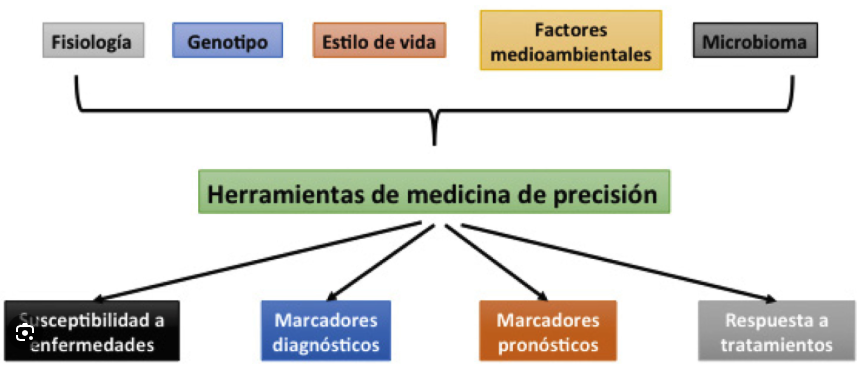
Bhital, Precision Medicine
The genetic studies are essential in precision medicine. These provide detailed information on genetic predisposition to disease and how the body responds to different treatments and environmental factors.
environmental factors
. This in-depth understanding of genetics allows physicians to design highly personalized therapeutic strategies tailored to the specific needs of each patient.
In addition, the
precision medicine
is furthering the study of oxidative stress and the inflammatory profile, two key factors that affect cellular health and predisposition to chronic diseases. By understanding these biomarkers, areas of risk can be identified. And from there, design therapeutic interventions aimed at reducing inflammation and promoting cellular health. And the most interesting thing is that you can do it before symptoms of diseases appear,

Bhital, Precision Medicine
It also addresses emotional, environmental and socialaspects that influence health.
The medical questionnaires are very exhaustive, assessing exposure to chemical, electromagnetic and mold toxins. ….. Not to mention occupational stress, personal relationships and emotional health . Thisprovides a comprehensive view of the person and allows the implementation of personalized prevention and treatment strategies.
Hormone levels are also being studied. Hormonal balance plays a crucial role in the optimal functioning of the body. Hormone levels begin at younger ages than would be expected and affect a person’s energy, mood, cognition, sexual activity and metabolism.
In short, precision
precision medicine
offers a comprehensive and personalized approach to improving health and preventing disease, taking advantage of advanced technologies and considering all aspects of each individual’s health and well-being in a holistic manner.
Having an advanced or terminal cancer diagnosis makes people think more about the purpose and meaning of life. These themes are often related to spirituality and the search for peace in life. Likewise, it could lead people to examine what is most important to them and find a sense of connection to a higher power. It may even lead them to explore their values and reflect on their life and legacy.
Spirituality, ultimately, does not mean the same thing to every person. Each person has different ideas about life after death, miracles and other religious beliefs. It is a very personal thing. And they have their own opinions about the meaning of life. Therefore, some people find meaning in religion or a higher power. Similarly, others find it in teaching or in volunteer work. And finally, others find it in different ways, such as in nature or through meditation.
Having advanced cancer may cause you to reevaluate your beliefs. It may cause anger, self-doubt or other strong emotions. You may be thinking about God or wondering about life after death. For some people, this brings peace and acceptance. For others, this raises many questions. Sometimes people feel that God has punished them or they lose faith. Sometimes, oncethey learn of terminal cancer, beliefs influence treatment decisions or anxiety about death.
Learning that you have advanced cancer may change your values. Material possessions and daily routines may seem less important to you. You may decide to spend more time with loved ones or helping others. Likewise, you may be figuring out what things are mostimportant to you and who you want to be with most in life.
Perhaps you have already given these issues a lot of thought. Still, exploring further what is important to you may be comforting, so do this with someone close to you, a member of yourfaith community, or a mental health specialist or counselor.
Or you may just want to take time to reflect on your experiences and relationships. Also, being in nature or spending time in places that bring you calm and peace may help you reflect. Many people, for example, say that praying, meditating, writing in a journal, or even talking to others helped them to cope with their situation and explore their life.

It is common for people with advanced cancer to reflect on their life and legacy. Source: iStock
Celebrate your life
Reflect on your life. Having advanced cancer often gives patients and family members the opportunity to look back and, therefore, evaluate what they have done in life. They rethink what they consider important. These reflections could include the following:
Make a legacy. So, many of the things mentioned above are part of «making a legacy». Include whatever you want in your legacy. Choose things that bring you joy and have personal value. These are examples of things people have done:
Prepare your ethical will. In short, some people with cancer also make what is called an ethical will. It is not a legal document. However, it is something you will be able to write to share with your loved ones. It is worth noting that many ethical testaments contain thoughts about values, memories and hopes. Likewise, they mention lessons learned in life or something special. Also, you can say whatever you want, however you want.
Endometriosis, premenstrual syndrome, fibroids, uterine fibroids, breast fibrocysts, etc., are conditions that affect a large number of women worldwide.
These conditions can cause symptoms such as pain, discomfort, inflammation and, in some cases, serious complications that affect quality of life. However, a deeper understanding of the underlying factors, such as estrogen metabolism, may offernew avenues for treatment and prevention.
GENOMIC MEDICINE allows us to know how you metabolize your estrogens.
Through a simple saliva test and without leaving your home, you can find out if the cause of your endometriosis has a genetic origin. Many women accumulate estrogens due to an alteration of one or more genes responsible for the metabolism, i.e. the elimination of estrogens.
A genetic analysis therefore helps you to know how estrogens affect your health.

Genetic tests of estrogen metabolism
In the field of integrative medicine, the importance of approaching gynecological conditions from a holistic perspective is recognized, taking into account not only physical symptoms, but also genetic and environmental factors that may influence the progression of these diseases. In this regard, genetic tests for estrogen metabolism emerge as an invaluable tool to better understand a woman’ s predisposition to develop conditions such as endometriosis, uterine fibroids and breast fibrocysts….
Estrogen metabolism genetic tests are tests that analyze a person’s genetic makeup to identify genetic variants associated with estrogen metabolism. These tests can reveal crucial information about how a woman processes and eliminates estrogen from her body, which can have a significant impact on her gynecological health.
Endometriosis, uterine fibroids and breast fibrocysts share a common characteristic: they are allinfluenced by estrogen levels and activity in the body. Estrogens are female sex hormonesthat play a key role in the menstrual cycle and reproductive health. However, imbalances in estrogen metabolismmay contribute to the development and progression of these conditions.
In the case of endometriosis, it has been shown that elevated estrogen levels can stimulate the growth of endometrial tissue outside the uterus, resulting in pain, inflammation and other debilitating symptoms. On the other hand, uterine fibroids and breast fibrocysts may also be associated with hormonal imbalances, including elevated estrogen levels.

Endometriosis how to treat it
Integrative medicine focuses on treating the whole person, taking into account the physical, genetic, emotional, mental and spiritual aspects of health. In the context of endometriosis, uterine fibroids and breast fibrocysts, genetic testing of estrogen metabolism offers a unique opportunity to personalize the treatment approach for each patient.
By understanding a woman’s genetic predisposition to estrogen metabolism, I can develop more effective and personalized treatment strategies.
This may include lifestyle changes , dietary modifications, specific supplementation and targeted hormone therapies, all designed to balance hormone levels and reduce the risk of complicationsassociated with these conditions.
Yes, very simple.
I will explain briefly how it is done:
In summary, the genetic test that studies estrogen metabolism represents an essential tool in integrative medicine. Thus, it allows us to address gynecological conditions such as endometriosis, uterine fibroids and breast fibrocysts, among others.
We can then take proactive measures to improve women’s quality of life and reduce the risk of long-term complications.
Ultimately, by taking a holistic and personalized approach to the treatment and prevention of these conditions. In this way, we can move towards a future in which all women have access to gynecological health care. Therefore, we adapt to your individual needs and promote your overall well-being.
Ask for a free orientation appointment without obligation at whastapp 669 979 939!
Conventional hygiene products may contain substances that are toxic to health.
Find out what the different radiations and signals we use every day in our home or work environment sound like – and how they sound.
Find out what the different radiations and signals we use every day in our home or work environment sound like – and how they sound.




 Structured Water